Selected reading for clinicians and curious minds.
As an Amazon Associate we earn from qualifying purchases.
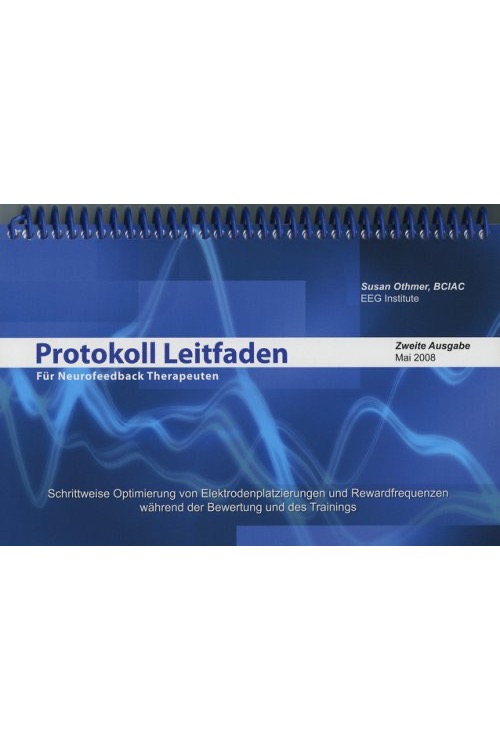
Susan F. Othmer-EEG Institute
2019 · neurofeedback
This Seventh Edition of the Protocol Guide reflects our current approach, including infra-low frequency, Alpha-Theta and Synchrony neurofeedback. The infra-low training frequency discussed in this 2019 edition of the Protocol Guide apply only when using the 1 or 2 channel infra-low frequency HD application in Cygnet. We have continually refined our neurofeedback training and assessment methods based on optimization of clinical effects. This has led us to a better understanding of electrode placement options and to increased training frequency range and specificity. Beginning in 1989 with standard beta and SMR frequency ranges, we gradually extended to lower training frequencies over a number of years, as we sought more calming effects with highly aroused nervous systems. In 2006 this took us into the infra-low frequency range of the EEG, below 0.1 Hz. Since 2006 we have continued to extend the range down to lower training frequencies. And we have continued to optimize the hardware and software to function in this infra-low frequency range. With our new lower frequency range, we are now achieving consistently stronger training effects, especially for severe and chronic conditions.
View on AmazonRobert Longo
2023 · qEEG
A Consumer’s Guide to Understanding QEEG Brain Mapping and Neurofeedback Training (2nd Edition), part of the excellent ISNR Learning Series, by Robert E. Longo, MRC, LCHMC, BCN is written for the consumers. If you are considering participating in neurofeedback or a parent of a child, a relative, a colleague, or a friend who is looking to participate in neurofeedback brain wave training, this booklet is designed to inform you about the process of being assessed for and participating in neurofeedback. This booklet covers the very basics of what the reader needs to know and understand regarding neurofeedback. What is neurofeedback? How is a person assessed for participating in neurofeedback? What are the benefits? What, if any, are the side effects? How does one know it is helping? Does it require lifestyle changes? How long do the benefits last? What happens if it does not help? And many more such questions and issues are addressed.
View on AmazonPaul G. Swingle
2015 · neurofeedback
This clinical manual argues for using neurotherapy to enhance mental health and medical practice across settings and specialties. The text takes readers through the tools and methods of neurotherapy: the ClinicalQ for intake assessment, a stimulated EEG modality called braindriving, and neurofeedback protocols to retrain brain function. Case studies demonstrate neurotherapy as an efficient component in treating brain-related and mind/body conditions and symptoms, from ADHD, sleep disturbances, and depression to fibromyalgia and seizures. Its methods allow clinicians to find deviations in brain function that fall through the diagnostic cracks and choose therapeutic interventions best suited to clients based on reliable data.
Included in the coverage:
Treating the condition instead of the diagnosis.
Case examples illustrating how to conduct the ClinicalQ, interpret results, and convey them to clients.
Sample protocols of braindriving and neurofeedback.
Using therapeutic harmonics to advance neurotherapy.
Age-appropriate neurotherapy for children and seniors.
Brainwave diagrams, data tables, client forms, and other helpful tools and visuals.
Adding Neurotherapy to Your Practice will interest psychologists, physicians, psychiatrists, chiropractors, and social workers. This stimulating presentation emphasizes the individuality of every client, and the abundant healing capacity of the brain.
View on AmazonSchuyler Cunningham
2021 · neurofeedback
ADHD and Neurofeedback Explained shows that neurofeedback is cheaper, faster, and proven to work for ADHD in adults and children. We use neurofeedback because our clients want an excellent alternative to ADHD medications. Neurofeedback has more than 50 years of research behind it. Neurofeedback means you can be free from ADHD medications and their side effects. In this book you will learn how many neurofeedback sessions you need, how improvements are measured, how well the effects last over time, how neurofeedback is cheaper than medications, what the scientists say about neurofeedback, and what to expect during neurofeedback sessions. It really is as easy as watching a TV show or playing a video game that rewards your brain when it is performing without the signs of ADHD. More than anything, we want you to feel empowered so that you can make the most informed decision for yourself, your child, or your loved one dealing with ADHD.
View on AmazonAntonio Martins-Mourao
2021 · neurofeedback
Alpha-Theta Neurofeedback in the 21st Century is a new handbook on neurofeedback treatment of emotional trauma and substance abuse, now in its expanded second edition featuring three new chapters, including an introduction to neurofeedback, brainwaves, and neurofeedback training for psychotherapists and other newcomers interested in the field. Peniston and Kulkosky’s evidence that training specific brain frequencies could lead to the reprocessing and subsequent remission of traumatic symptoms in alcoholic war veterans with PTSD was revolutionary for its time. They were the first to use technology to tap into the brain’s ability to unlock traumatic memories, showing that unresolved emotional issues could be retrieved and revised in memory in an objective and systematic way. Thirty years after Eugene Peniston’s publications, Alpha-Theta Neurofeedback in the 21st Century is the first comprehensive clinical guide to the treatment of emotional trauma for neurotherapists and psychotherapists.
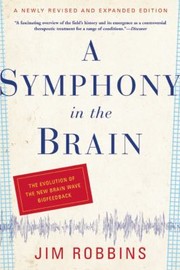
View on AmazonJim Robbins
2008 · neurofeedback
A Newly Revised and Expanded Edition
In the decade since Jim Robbins’s A Symphony in the Brain was first published, the control of our bodies, brains, and minds has taken remarkable leaps. From neurofeedback with functional magnetic resonance imaging equipment, to the use of radio waves, to biofeedback of the heart and breath, and coverage of biofeedback by health insurance plans, the numerous advances have driven the need for a revised edition to this groundbreaking book that traces the fascinating, untold story of the development of biofeedback.
Discovered by a small corps of research scientists, this alternative treatment allows a patient to see real-time measurements of their bodily processes. Its advocates claim biofeedback can treat epilepsy, autism, attention deficit disorder, addictions, and depression with no drugs or side effects; bring patients out of vegetative states, even improve golf scores or an opera singer’s voice. But biofeedback has faced battles for acceptance in the conservative medical world despite positive signs that it could revolutionize the way an incredibly diverse range of medical and psychological problems are treated. Offering a wealth of powerful case studies, accessible scientific explanations, and dramatic personal accounts, Robbins remarkable history develops our understanding of this important field.
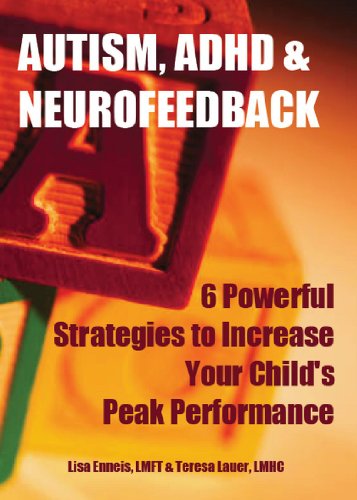
View on AmazonLisa Enneis
2013 · neurofeedback
What Is Neurofeedback?
Neurofeedback (EEG biofeedback) is direct training of the brain, by which it learns to function more efficiently. Research has shown that neurofeedback, a gentle, gradual learning process, moves your child's brain to higher levels of optimal functioning and is especially effective for children diagnosed with Pervasive Developmental Disorders (PDDs) including Autism Spectrum Disorder (ASD), Asperger's Syndrome and Learning Disorders, among others.
In our book, Autism, ADHD & Neurofeedback: 6 Powerful Strategies to Increase Your Child's Peak Performance we share with you:
~ How neurofeedback works and how it helps brain function
~ The specific problems that can be helped by neurofeedback
~ Who can realize the most benefit from neurofeedback
~ What you can expect for your child and your family
A diagnosis of Autism, ADD/ADHD or Learning difficulties in general is a challenge for any family. There are certain inherent stressors that accompany the disorders above. If you're finding that your family difficulties are causing negative patterns and family stress that's spiraling downhill, there is hope. Our book will help you now.
View on AmazonAdil Al-Salihy
2019 · neurofeedback
Autism Spectrum Disorder (ASD) is a combination of complex neurodevelopment disabilities distinguished by impairments in communication, social interaction and by repetitive, restricted, and stereotyped patterns of behaviors, interests, and activities. Specialists who have been studying ASD have no explanation for why it is so much more prevalent than before. The new estimation represents a 15% increase in prevalence rate nationally: to (1 in 59) children, from (1 in 68) two years previous, i.e.,2016. Contemporary life, driven by advances in technology and the capitalistic approach is becoming full of hassles, leading to different mental stresses and social frustrations. In various conditions, people find it more difficult to deal with stress if they suffer from autism. In stressful situations, a person’s ability to do the task properly with minimal anxiety level, known as “stress tolerance”. Neurofeedback (NFB) is a technique designed to allow individuals to manipulate their brainwaves activity and to enhance their poorly-regulated brainwave patterns. This technique, though available for some time, is rapidly gaining interest as an intervention for numerous disorders including ASD.
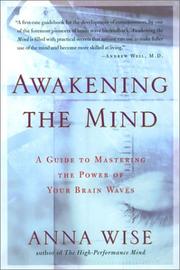
View on AmazonAnna Wise
2002 · brain training
Each moment of our lives, from birth to death, our brains are engaged in an endless symphony of patterns. In Awakening the Mind, Anna Wise reveals how a careful understanding of the four types of brain waves, and the practice of carefully designed meditation exercises that lead to a mastery of each type, can vastly improve everyday focus, memory, concentration, and overall mental awareness.
Over the past three decades, Wise has measured the brain-wave patterns of spiritual teachers, artists, high-performing businessmen, athletes, and other highly creative and productive individuals. She discovered that, during periods of peak mental awareness and clarity, they all exhibited a specific brain-wave pattern in which the four categories of brain wavesalpha, beta, theta, and deltacombined in a distinct configuration. In this book, Wise provides meditation exercises specially developed to lead readers to achieve that heightened mental state referred to as the Awakened Mind.
View on Amazonneurofeedback
Basic Neurortherapy - The Clinician's Guide
Ph D Paul Swingle
neurofeedback.space
Ph D Paul Swingle
2008 · neurofeedback
QuickQ, Neurofeedback, brain-driving and home treatment techniques
View on AmazonRobert Longo
2023 · neurofeedback
Becoming Certified in Neurofeedback: A Guide to the Neurofeedback Mentoring Process for Mentors and Mentees by Robert E. Longo, MRC, LPC, BCN and Richard Soutar, PhD, BCN is written for both mentees wanting to become Board Certified in neurofeedback by the Board Certification International Alliance (BCIA); and those professions who are either approved BCIA mentors wanting to improve their mentoring skills, or professionals who are BCIA certified and interested in becoming an approved BCIA mentor.
The first few chapters provide an overview of key aspects of becoming BCIA certified including the mentoring process. The last few chapters address key items involved in the mentoring process and provide helpful hints to both the mentee and mentor on core areas of being mentored. Additionally, this book provides several indices including examples of useful forms such as mentoring contracts, Professional Ethics and Standards in practicing neurofeedback, and both core and recommended readings
View on AmazonRobert Longo
2022 · qEEG
Whether you're a clinician adding neurofeedback to your business or an experienced clinician looking for best practices to help you be more efficient and profitable with neurofeedback, this book is for you!
For many, marketing is a foreign concept - yet critical to your success. This book helps you choose the best clients you're suited to help and how to find more of them with basic guidelines for your website, brochures, social media, networking, word of mouth and more.
It walks you through step-by-step with best practices from intake through QEEG and from running sessions to keeping clients longer and gaining invaluable referrals for more.
The book shows how to measure and demonstrate client progress so you can encourage clients to stay with you until they've received the full benefit of your services. And when they're done, how to help them leave with such a great experience that they come back for more and even more importantly, recommend you to all their friends who also need your services.
Complete with very practical examples and detailed templates you can adapt to your own practice, this book helps you fill in the gaps and grow your existing practice. If you're new, this book will shave years of trial and error from your path to success.
View on AmazonInna Khazan
2019 · neurofeedback
A mind-body approach to taking control of your physical and emotional health.
Biofeedback is the process of training your body to control its involuntary actions, such as breathing and heart rate. Minor changes to these actions can significantly improve physical and emotional well- being. In Biofeedback and Mindfulness in Everyday Life, Harvard Medical School faculty member Inna Khazan pairs biofeedback techniques with mindfulness practice to address some of life’s most common ailments― from anxiety and fear to stress and insomnia.
She begins with a description of basic physiological information, explaining concepts such as breathing and overbreathing. In Part Two she dives into the practice of mindfulness. And in Part Three she zeroes in on applying this mind-body approach to an array of common problems.
Khazan’s approach outlines simple solutions for readers who want to improve the way they respond to challenges. She guides them through increasing their resilience and emotional flexibility while empowering them to take back control of their overall health.
View on AmazonDavid Phelan
2013 · neurofeedback
Thousands of people are using biofeedback as a safe, non-drug treatment for high blood pressure, headaches, chronic pain, stress, ADD/HD, anxiety, depression, and much more. Athletes, musicians, students, and executives use biofeedback to help improve performance. This book explains what biofeedback is and how it works. It is written for anyone who is considering biofeedback and is asking, “Is it right for me?”
Topics include:
What systems can be improved: breathing, heart rate, muscle tension, brain activity, and so on
How these systems are related to physical health, mental health, and peak performance
What to expect before, during, and after sessions
How to get the best results with biofeedback
How to find the biofeedback practitioner who is right for you
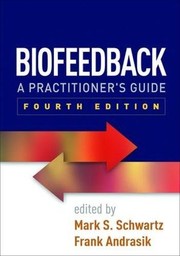
View on AmazonMark S. Schwartz
2017 · qEEG
This comprehensive volume is widely regarded as the definitive practitioner resource and text in the field of biofeedback and applied psychophysiology. Leading experts cover basic concepts, assessment, instrumentation, clinical procedures, and professional issues. Chapters describe how traditional and cutting-edge methods are applied in treatment of a wide range of disorders, including headaches, temporomandibular disorders, essential hypertension, pelvic floor disorders, attention-deficit/hyperactivity disorder, tinnitus, and others. Applications for optimizing physical performance among artists and athletes are also reviewed. A wealth of information and empirical research is presented in an accessible style, including helpful glossaries.
New to This Edition
*Incorporates significant technological developments and new research areas.
*Expanded focus on specialized applications, such as electroencephalographic (EEG) biofeedback/neurofeedback and heart rate variability biofeedback.
*Chapters on surface electromyography, quantitative EEG, and consumer products.
*Chapters on cognitive-behavioral therapy and relaxation training.
*Chapters on additional clinical problems: anxiety disorders, asthma, work-related pain, traumatic brain injury, autism spectrum disorders, and substance use disorders.
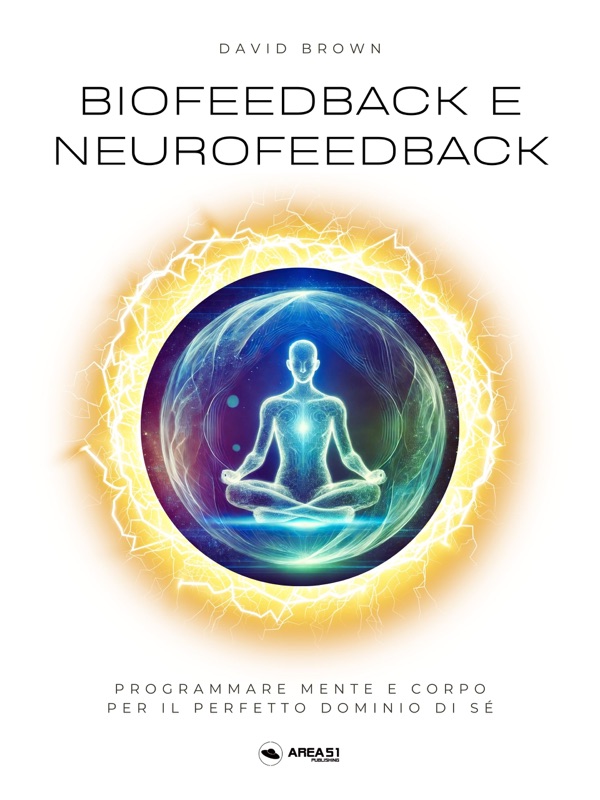
View on AmazonDavid Brown
2025 · neurofeedback
Scopri un percorso pratico e guidato per ottenere il massimo controllo su mente e corpo. “Biofeedback e Neurofeedback – Programma Pratico” è stato progettato per accompagnarti in un viaggio di consapevolezza, equilibrio e auto-regolazione, portandoti a padroneggiare le risposte fisiologiche e a sviluppare la tua capacità di entrare volontariamente in stati di rilassamento, lucidità e concentrazione.
Questo programma è strutturato in due parti principali
Biofeedback – Una serie di tecniche pratiche per migliorare la consapevolezza e il controllo delle risposte corporee. Attraverso esercizi guidati di rilassamento muscolare, respirazione profonda, visualizzazione e autoregolazione, imparerai a gestire la tensione, la frequenza cardiaca, la temperatura corporea e altre risposte fisiologiche.
Neurofeedback – Tecniche di auto-neurofeedback che ti insegnano a entrare in stati cerebrali specifici, come alfa, theta, delta e gamma, per migliorare la concentrazione, il rilassamento profondo, la creatività e la resilienza emotiva. Ogni tecnica ti guida passo passo per portarti in uno stato di calma, introspezione o superveglia, a seconda delle tue necessità.
Cosa include il programma
20 tecniche guidate, suddivise in biofeedback e neurofeedback, organizzate progressivamente per facilitare il tuo percorso verso un controllo consapevole.
Come funziona
Ogni sessione è strutturata per accompagnarti in un’esperienza pratica e immersiva, con indicazioni semplici e chiare per ogni esercizio. Puoi eseguire le tecniche ovunque, a ritmo personale, scegliendo quella che risponde meglio alle tue esigenze del momento. Segui il programma progressivamente o esplora le pratiche a seconda delle necessità: rilassamento, creatività, gestione dello stress o centratura.
Perché scegliere questo programma
Questo programma è più di un semplice corso di benessere: è un percorso di scoperta e crescita personale, che ti offre strumenti pratici e versatili per migliorare la qualità della tua vita, aumentare il benessere psicofisico e rafforzare la connessione con te stesso. Che tu sia alla ricerca di un metodo per rilassarti o di tecniche avanzate per la gestione delle onde cerebrali, questo programma ti guida a raggiungere il perfetto dominio di mente e corpo.
Acquista ora e inizia il tuo viaggio verso il perfetto controllo di corpo e mente.
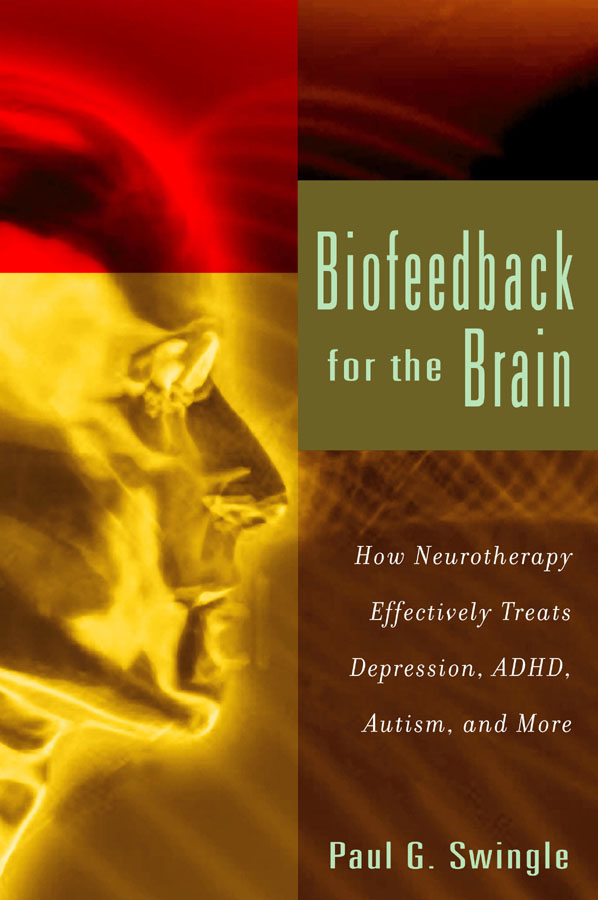
View on AmazonPaul Swingle
2008 · qEEG
Neurofeedback is a cutting-edge, drug-free therapeutic technique used by over a thousand licensed therapists in North America to treat a range of conditions from attention deficit and hyperactivity disorders to epilepsy, stroke, anxiety, migraine, and depression. First popularized in the 1970s, this naturalistic method is based on the idea that we can control our brain activity and that, through training, the brain can learn to modify its own electrical patterns for more efficient processing or to overcome various states of dysfunction.
In Biofeedback for the Brain, Dr. Paul G. Swingle describes in clear and coherent language how these procedures work. With numerous actual case examples, readers follow the progress of clients from the initial “brain map” that shows the location and severity of the neurological abnormalities to the various stages of treatment. Conditions often considered untreatable by conventional health practitioners respond positively to neurotherapeutic treatment and Swingle describes many of these remarkable recoveries. Other chapters describe the use of neurotherapy for a variety of surprising purposes, including performance training for elite athletes, of which the most famous example is the Italian soccer team who considered the technique to be their “secret weapon” in attaining a World Cup victory.
Despite wide-ranging success stories and the endorsement of the American Psychological Association, many health care practitioners remain skeptical of neurofeedback and the procedures are still not well-known by the public or conventional health care providers. This book provides a thorough, definitive, and highly readable presentation of this remarkable health care alternative that offers millions of individuals a chance for healing.
In
View on AmazonDr. Judith Ann Miller PhD
2019 · neurofeedback
This is a presentation of a neuroscience pilot study involving 25 veterans who have experienced: Traumatic Brain Injuries (TBIs), Post-Traumatic Stress Disorder (PTSD), trauma, anxiety and depression. These conditions and symptoms are actually the underlying causes of addiction, also known as Substance Use Disorder (SUD). The sample involved: 21 men and 4 women, serving all military branches. Their substance abuse choices were: alcohol, heroin, cocaine, meth, and marijuana. All who were on prescription medications were addicted to their meds. It was noted that the side effects of the psychotropic meds were at least 5 negative side effects, with a predominant side effect of suicidal ideation. A research question that is difficult to prove, but common sense stands to consider, is that there may be a strong correlation between psychotropic medications and the high veteran suicide rate (20-40/day). The purpose of this study was to assist suffering veterans to achieve an optimally functioning brain with no medications. As our physician assisted the veterans with medication titration, they were supplemented with a neuroscience product that contains Huperzine A, which enhances the reward sensation by decreasing acetylcholine metabolism, and N-acetylcysteine to regulate glutamate for better control of craving triggers. The product also includes 5-HTP for serotonin support and L-phenylalanine to support digestion and reduce food cravings. Simultaneously, each veteran received a series of LENS (Low Energy Neurofeedback System) which stimulates the 21 Standard EEG sites of the brain to create new neural pathways to allow the brain waves (alpha, delta, theta and beta) to function effectively.
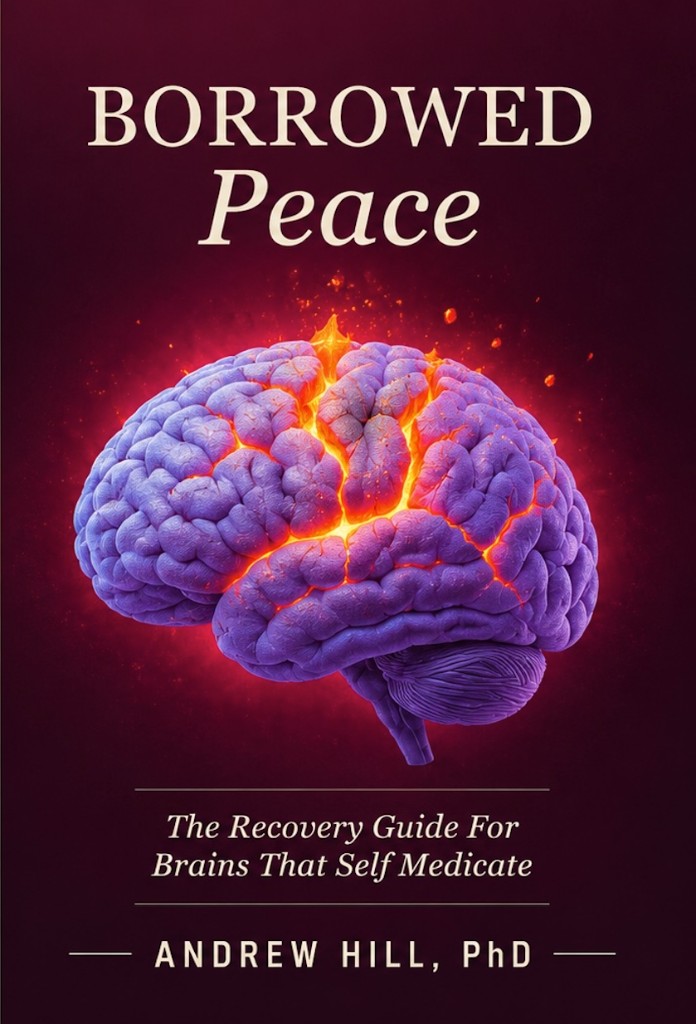
View on AmazonAndrew Hill, PhD
2026 · other
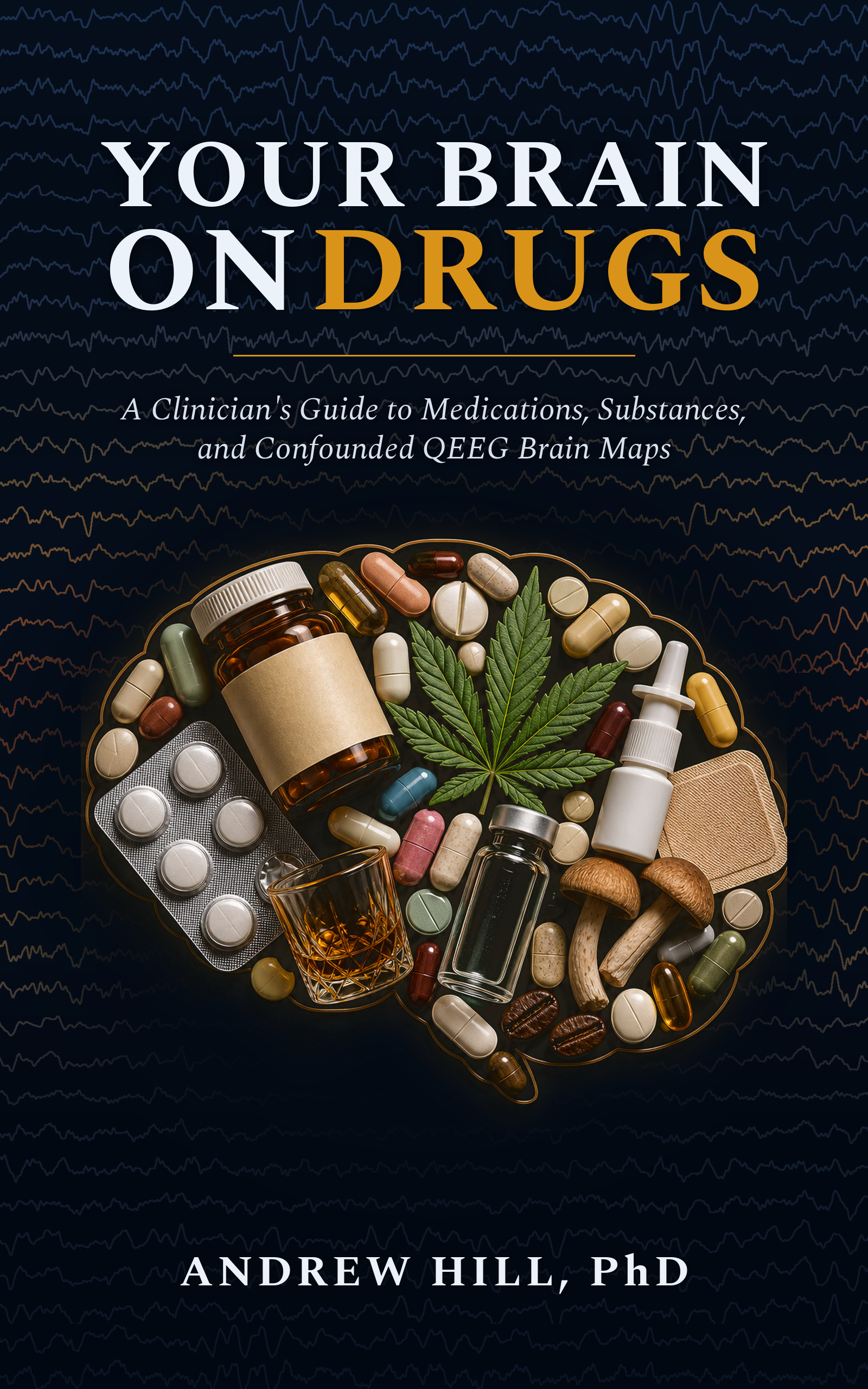
The third Brains That Run Different book: a science-grounded, moderation-friendly, identity-respectful guide to substances, behavioral addictions, and the regulatory work underneath them.
View on AmazonD. Linden
2014 · brain training
Interest in techniques to control the brain and thereby improve its function has surged, yet how realistic are these expectations and what are the ethical implications? This book reviews the main techniques of controlling brain processes for medical purposes, situating them within ethical and legal debates on autonomy and fairness.
View on AmazonW. Alex Edmonds
2011 · neurofeedback
Case Studies in Applied Psychophysiology
What is it that separates those who are able to achieve greatness from those who are not? The secret is flexibility of focus and the consistent activation of a high performance state. Experienced coaches using Biofeedback and Neurofeedback who have developed the tools to facilitate the achievement of this state reveal their unique methods. The book is scholarly and accessible, providing the tools to guiding outstanding performance.
If you are searching for proven methods in achieving performance excellence, read Case Studies in Applied Psychophysiology!
Rae Tattenbaum, Performance Coach at Inner Act, Guest Editor, Special Editions of “Biofeedback” devoted to peak performance, AAPB former chair optimal performance
Many practitioners use biofeedback (BFB) and neurofeedback (NFB) to help individuals bring their personal goals of optimizing performance in domains such as music, dance, sports, and exercise within reach.
Written by veterans in the field, Case Studies in Applied Psychophysiology is the first text to present case studies from practitioners utilizing these techniques. Each case study has been systematically recorded and presents readers with a comprehensive overview of each approach. The case studies demonstrate not only the variety of approaches available to practitioners, but also the unique tailoring of techniques and procedures that seasoned practitioners implement to help clients achieve their goals. The primary focus is on individuals from non-clinical (i.e. not medically related) populations, but two case studies describe neurofeedback interventions with individuals suffering from traumatic brain injuries.
Case Studies in Applied Psychophysiology is a useful introduction to the field, as well as a road map for those looking to incorporate these techniques into their own psychology, sports medicine, physiology, performance psychology, and counseling practices.
View on AmazonJohnny L. Matson
2023 · brain training
The handbook examines the latest research and clinical advancements in assessing and treating ADHD (attention deficit hyperactivity disorder) across the lifespan. It synthesizes the most current research data and trends combined with best-practice interventions to form a comprehensive, state-of-the-art resource. The handbook identifies the most relevant, effective treatments for individuals with ADHD.
View on AmazonDavid S. Cantor
2013 · neurofeedback
Neurotherapy, sometimes called EEG biofeedback and/or neurobiofeedback involves techniques designed to manipulate brain waves through non-invasive means and are used as treatment for a variety of psychological and medical disorders. The disorders covered include ADHD, mood regulation, addiction, pain, sleep disorders, and traumatic brain injury. This book introduces specific techniques, related equipment and necessary training for the clinical practitioner. Sections focus on treatment for specific disorders and which individual techniques can be used to treat the same disorder and examples of application and the evidence base for use are described.
View on AmazonR.Kishore Kanna
2023 · neurofeedback
EEG Is a Test Used to Evaluate the Electrical Activity in The Brain. Brain Cells Communicate With Each Other Through Electrical Impulses. An EEG Can Be Used to Detect Potential Problems Associated with This Activity. Nowadays Stress Becomes a Major Problem in Adults. It Is a Non-Invasive Method of Placing the Electrodes in The Scalp for Recording of Brain Waves Through EEG. To Acquire EEG Waveform, To Train the Patient with The Mind Power Yoga, To Compare EEG Waveforms Before and After Modified YOGA, To Analysis the Signal Waveform Using LABVIEW & MATLAB, To Attain the Accurate Comparison for Proposes a Better Diagnosing Technique to Increase the Focusing Level, Concentration Power of The Individual and Also Reduce the Stress, Anxiety and Depression Level of Modern Generation through yoga therapy. This research also identifies suitable types of yoga practice used to reduce the mental workload, cognitive function, and thus reducing the suicidal thoughts among them.
View on AmazonIm
2018 · neurofeedback
This book introduces and reviews all of the currently available methods being used for computational electroencephalogram (EEG) analysis, from the fundamentals through to the state-of-the-art. The aim of the book is to help biomedical engineers and medical doctors who use EEG to better understand the methods and applications of computational EEG analysis from a single, well-organized resource.
View on AmazonMary Lee Esty
2024 · neurofeedback
This lively, well-researched, and hopeful book is an excellent primer for anyone dealing with TBI and its aftermath, from victims to caretakers. It is clearly written for the average listener, but contains information that may be new to many healthcare professionals puzzled by odd and unresponsive symptoms and the realization that time alone does not heal the brain.
Conquering Concussion by Mary Lee Esty, Ph.D., and C. M. Shifflett presents history, new research, treatments, and 20 years of clinical case histories. These are real stories about real people struggling with post-concussion symptoms: terrible fatigue, headache and body pain, emotional swings, mental fog, insomnia, weight gain and balance problems. It shows how TBI symptoms overlap with other diagnoses such as ADHD and depression, and reveals the link with PTSD. It features neurotherapy, but presents additional therapies that can aid recovery.
Topics include: Head injuries in history, from Henry VIII to Elvis Presley. What happens in concussion, the many symptoms that may appear, and problems with standard testing and treatments. The origins, supporting research, and results of neurofeedback. Detailed case histories of children, adults, and soldiers with memory problems, severe head pain, insomnia, ADHD and PTSD. Medical issues which may need attention before symptoms of concussion can heal. The rest of the story: What happened to people in this book who never expected to work or function normally ever again. How they regained their skills, jobs, families and lives.
PLEASE NOTE: When you purchase this title, the accompanying PDF will be available in your Audible Library along with the audio.
View on AmazonMaleki Leila
2015 · neurofeedback
At the root of all our thoughts, emotions and behaviors lay the intricate networks of communication among the trillions of neurons within our brains. A measurement of this communication activity, like the rhythm or pulse of a flowing river, is the brainwaves. Brainwaves are tiny pulses of the electrical activity that are produced as the neurons communicate with each other. By influencing these electrical patterns, we can change the brains communication. This means that when there are patterns set up within the brain that are not working correctly there will be corresponding problems. These patterns are sometimes referred to as pathologically stable patterns. The pathological patterns can arise from a variety of possible stressors, i.e. abuse, physical trauma, emotional trauma, chronic continuous stress, worry, anxiety, etc. As a response to the perceived threat, the brain has adopted a protective patter in an effort to deal with the past (it can be just a memory) or present trauma. The brain is simply doing the best it can to protect us and enable us to deal with the real or unreal dangers and threats it perceives. A huge list of disorders can be traced to this underlying problem.
View on AmazonCinara Ferreira Soares
2020 · neurofeedback
Estamos na década do cérebro onde uma profusão de estudos
desvelam mistérios que até então eram tidos como dogmas. Por
exemplo, uma certeza predominante até pouco tempo atrás era a de que uma vez
ocorrida uma lesão cerebral e tendo-se uma função comprometida, nunca mais
seria possível recuperá-la. Hoje, com o conceito de plasticidade neuronal,
sabemos que esta premissa caiu por terra e é um dos campos mais encantadores
para quem trabalha com Neurofeedback.
Este e-book foi pensado e amadurecido por longo tempo para colocar por escrito informações básicas,
acessíveis às pessoas que estivessem interessadas tanto na sua aprendizagem
para uso profissional quanto para si própria, como busca de resolução das mais
variadas questões.
Descobrindo o Neurofeedback expõe de forma acessível informações gerais sobre uma técnica que é infinitamente
complexa. A intenção é que você acesse este mundo tão encantador e sinta-se motivado a aprender mais, ou a buscar o Neurofeedback como uma alternativa para alcançar seus objetivos pessoais.
Você saberá:
✔ O que é e para que serve o Neurofeedback. Como é o treinamento.
✔ Quais os benefícios que você obtém do treinamento
✔ Quem pode aplicar a técnica, oferecer o treinamento e como fazer a formação
✔ Que melhorias o Neurofeedback proporciona para vestibulandos, concurseiros, executivos e atletas
✔ Quais os benefícios para quem sofre de Ansiedade, TDAH, Enxaqueca, Insônia, Bruxismo, entre outros
E muito mais...
View on AmazonLes Fehmi
2019 · neurofeedback
For four decades, Dr. Les Fehmi has been a leader in brainwave biofeedback (also called neurofeedback), training individuals how to balance and regulate their brainwave patterns to improve mental, emotional, and physical health.
View on AmazonRichard Soutar
2022 · qEEG
This book, presented in full color for easy reading, is highly recommended for students and healthcare professionals who want to integrate neurofeedback (EEG Biofeedback) and quantitative EEG (QEEG) into their treatment options for patients and clients. The authors have over 30 years of combined experience and offer an easily read, comprehensive historical and clinical perspective. Topics include brain anatomy and physiology, models of disorders, basic electronics necessary to understand the recording process, learning/behavior theory, how to create treatment protocols, and how to evaluate clinical progress. The book also devotes a chapter to the history and clinical understanding of audio-visual entrainment. About The Authors: Richard Soutar, PhD has been involved in neurofeedback for 20 years, is the director of New Mind Neurofeedback Center in Atlanta, Georgia, and is actively conducting workshops and mentoring new practitioners interested in BCIA certification. He is author of the New Mind Webcourse, the Creator of the New Mind Maps Database Analysis System, and author of several books in the field of neurofeedback. Robert Longo, MRC, LPC, NCC, BCN is Board Certified in neurofeedback and practices in North Carolina. Rob works with youth and adults and specializes in working with youth who have emotional and behavioral problems.
View on Amazonneurofeedback
EEG Cuantitativo Como Herramienta Diagnostica Y Terapeutica: NEUROFEEDBACK
Author not listed
neurofeedback.space
Author not listed
· neurofeedback
View on AmazonNidal Kamel, Aamir Saeed Malik
2017 · qEEG
Changes in the neurological functions of the human brain are often a precursor to numerous degenerative diseases. Advanced EEG systems and other monitoring systems used in preventive diagnostic procedures incorporate innovative features for brain monitoring functions such as real-time automated signal processing techniques and sophisticated amplifiers. Highlighting the US, Europe, Australia, New Zealand, Japan, Korea, China, and many other areas, EEG/ERP Analysis: Methods and Applications examines how researchers from various disciplines have started to work in the field of brain science, and explains the different techniques used for processing EEG/ERP data. Engineers can learn more about the clinical applications, while clinicians and biomedical scientists can familiarize themselves with the technical aspects and theoretical approaches.
This book explores the recent advances involved in EEG/ERP analysis for brain monitoring, details successful EEG and ERP applications, and presents the neurological aspects in a simplified way so that those with an engineering background can better design clinical instruments. It consists of 13 chapters and includes the advanced techniques used for signal enhancement, source localization, data fusion, classification, and quantitative EEG. In addition, some of the chapters are contributed by neurologists and neurosurgeons providing the clinical aspects of EEG/ERP analysis.
Covers a wide range of EEG/ERP applications with state-of-the-art techniques for denoising, analysis, and classification
Examines new applications related to 3D display devices
Includes MATLAB® codes
EEG/ERP Analysis: Methods and Applications
is a resource for biomedical and neuroscience scientists who are working on neural signal processing and interpretation, and biomedical engineers who are working on EEG/ERP signal analysis methods and developing clinical instrumentation. It can also assist neurosurgeons, psychiatrists, and postgraduate students doing research in neural engineering, as well as electronic engineers in neural signal processing and instrumentation.
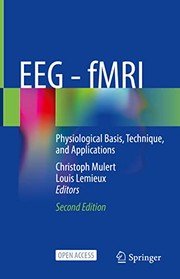
View on AmazonChristoph Mulert
2023 · neurofeedback
This book provides the most up-to-date and comprehensive source of information on all aspects of EEG-fMRI, a neuroimaging technique for synchronous acquisition of electroencephalography (EEG) and functional magnetic resonance imaging (fMRI) data. The reader will find in-depth information on the physiological principles of the EEG and fMRI signals, practical aspects of data measurement, artifact reduction, data analysis, and applications. All the main areas of the technique’s application are the subject of one or multiple chapters: sleep research, cognitive neuroscience, and clinical neurology and psychiatry.
In addition to providing a thorough update, this second edition offers five entirely new chapters covering important areas of research that have emerged during the past 5 years, including noninvasive brain stimulation during fMRI, resting-state functional connectivity, real-time fMRI, and neurofeedback. Written by the most prestigious experts in the field, the text is enhanced by numerous high-quality illustrations. This book will be valuable for neuroradiologists, neuroscientists, physicists, engineers, electrophysiologists, (neuro) medical scientists, neurologists, and neurophysiologists.
Chapter 30 is available open access under a Creative Commons Attribution 4.0 International License via link.springer.com.
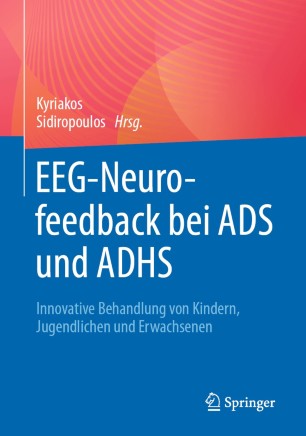
View on AmazonKyriakos Sidiropoulos
2023 · neurofeedback
Das Buch ermöglicht Neurowissenschaftlern, Psychotherapeuten, Kinder- und Jugendärzten und -Psychiatern einen Einstieg in die Behandlung von ADS/ADHS mit der Methode des EEG-Neurofeedbacks. Es hilft zudem Ergotherapeuten, die ADHS-Symptomatik besser zu verstehen und die Besonderheiten des EEG-Signals von Kindern, Jugendlichen und Erwachsenen mit ADS/ADHS leichter zu interpretieren. Detailliert stellen die Autoren alle relevanten EEG-Protokolle vor, die in der Praxis Anwendung finden. Beleuchtet werden sowohl die Stärken als auch die Schwächen dieser Methode.
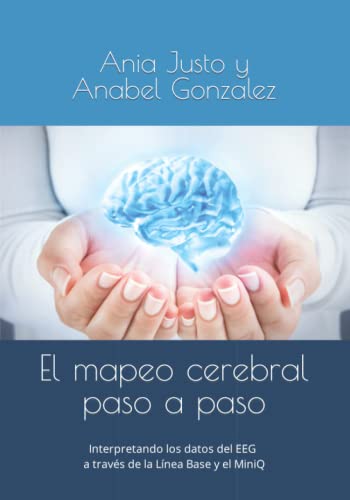
View on AmazonAnia Justo
2022 · neurofeedback
Este libro pretende explicar de modo muy básico y comprensible la actividad eléctrica cerebral y su relación con diversos parámetros clínicos y neurofisiológicos. Las técnicas de mapeo cerebral basadas en el EEG aportan datos funcionales de la actividad del sistema nervioso, que se han relacionado en numerosas investigaciones con trastornos mentales y problemas orgánicos, así como con rendimiento cognitivo y ejecutivo. La revisión de la evidencia reciente se combina con numerosos gráficos y esquemas explicativos para hacer más intuitivos los conceptos a manejar.
Estos mapas cerebrales se utilizan de modo habitual en técnicas terapéuticas como el neurofeedback, para guiar y personalizar los protocolos de tratamiento, así como para monitorizar la evolución clínica.
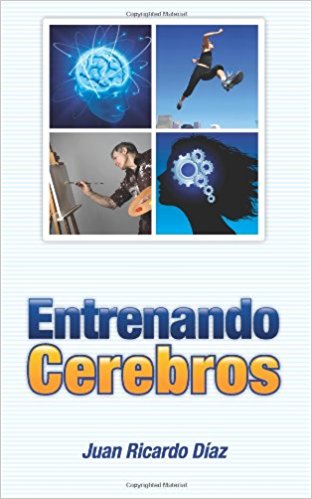
View on AmazonJuan Ricardo Diaz
2011 · neurofeedback
Después de más de nueve mil sesiones hechas, cientos de personas entrenadas y decenas de cursos sobre el tema dictados tanto en Estados Unidos como internacionalmente, Juan Ricardo Díaz nos presenta su perspectiva y resumen de todo lo aprendido en los últimos nueve años de su carrera como Entrenador Cerebral. Entrenando Cerebros trae un recorrido por las diferentes abordajes para aprender a hacer sesiones de Neurofeedback y acciones específicas para llevar a cabo entrenamientos efectivos con resultados óptimos.
View on AmazonVarious
2023 · neurofeedback
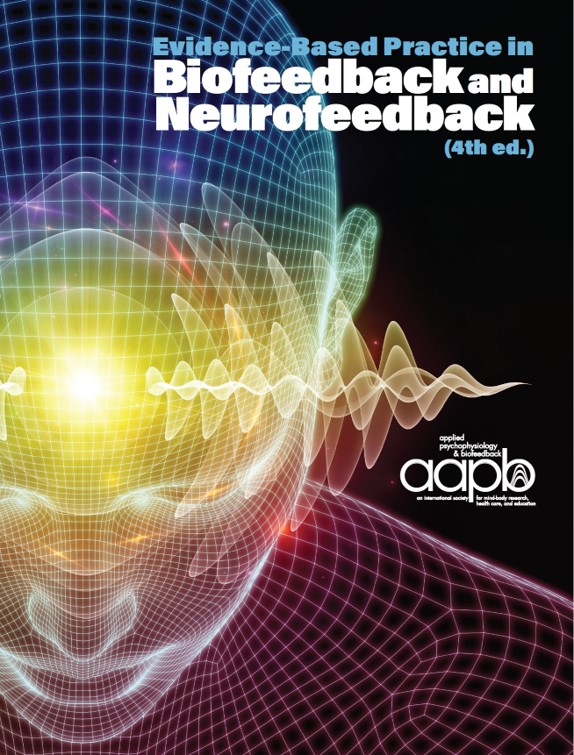
Evidence-based practice is a process of using the best evidence, preferably research findings, to guide the delivery of health services. Levels of evidence range from case reports and observational studies to randomized clinical trials. Evidence-Based Practice in Biofeedback and Neurofeedback (4th ed.) updates and expands the 3rd edition, and provides helpful tables in most chapters for quick reference. It fills a void in the biofeedback and neurofeedback practice world: the need for a standardized assessment of clinical efficacy and effectiveness for feedback-based therapies. Evidence-based practice must consider both efficacy in controlled research settings and effectiveness in the real world of clinical practice. Neither the general public nor the novice biofeedback practitioner can always assess which applications are well documented and which remain more experimental. Attending biofeedback and neurofeedback conferences, one hears discussion of many promising new approaches, and websites often claim “well-documented efficacy” for various new approaches. Nevertheless, today’s research climate has higher standards for efficacy and effectiveness than were current during much of the time in which biofeedback and neurofeedback evolved. This publication applies systematic standards of research methodology to biofeedback and neurofeedback practice.
View on AmazonIan Gentry
2024 · neurofeedback
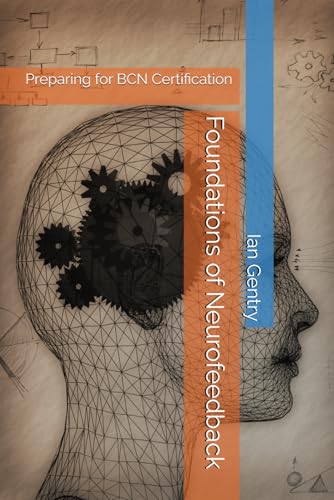
"Foundations of Neurofeedback: Preparing for BCN Certification" is the ultimate resource for aspiring neurofeedback practitioners and those preparing for Board Certification in Neurofeedback (BCN). Unlike other texts, this book combines foundational knowledge with practical insights to provide a comprehensive, easy-to-follow guide to mastering neurofeedback. Packed with real-world examples, case studies, and in-depth explanations, it bridges the gap between theory and practice, ensuring readers are not just prepared for certification but also ready to apply neurofeedback techniques effectively in clinical or performance settings.
View on AmazonLouloua Smadi
2021 · neurofeedback
Thriving with Autism through Neurofeedback Therapy
Are you looking for a tool that will get you faster and further results?
In the beginning, an autism diagnosis can feel devastating.
Some moments are brilliant, while others are a confusing tangle of meltdowns that may even include violence.
In those moments, void of hope, you would do almost anything to make it stop.
Sometimes it simply comes down to how you use—and diffuse—a situation.
Louloua Smadi understands this desperation well. Her brother, Milo, was diagnosed with autism spectrum disorder (ASD) at two and a half years of age. Today, he is training to become a professional pastry chef.
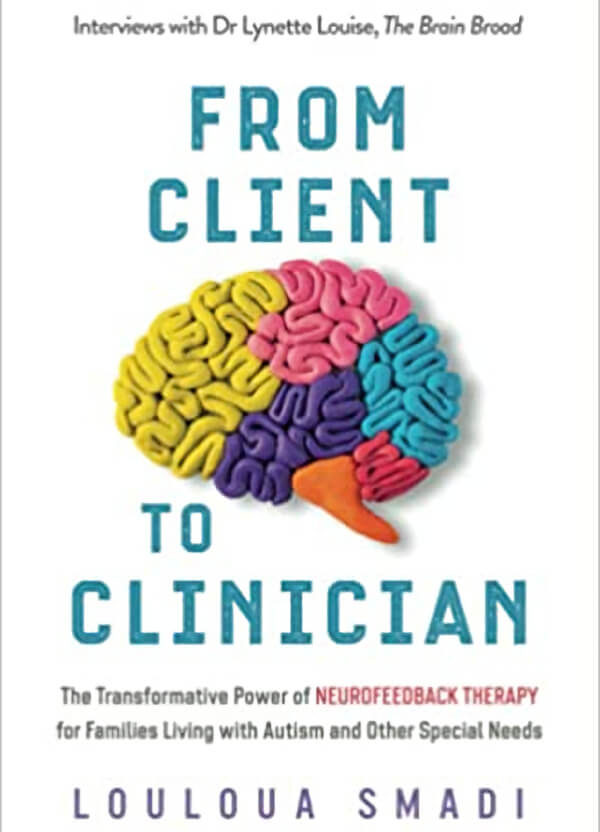
It’s the years in between that she shares in her book, From Client to Clinician: The Transformative Power of Neurofeedback Therapy for Families Living with Autism and Other Special Needs.
Everything began to change when the family met Dr. Lynette Louise. Her integrative approach using neurofeedback and play was the catalyst that helped Milo to thrive and grow. Louloua even used the therapy herself to overcome poor concentration and focus.
Greatly impressed with her own improvements, she was inspired to become a practitioner herself. Her path from client to clinician illustrates the different approaches to healing using neurofeedback and highlights the gap between the research and clinical worlds.
Whether you are a parent, caregiver, therapist, or potential client, this book will help you gain a clear understanding of neurofeedback therapy and how this personal and holistic therapy can help you or your loved ones overcome a challenging diagnosis.
View on AmazonDianne Kosto
2024 · neurofeedback
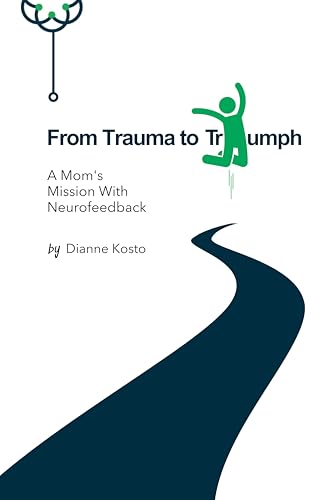
Dianne Kosto's memoir, "From Trauma to Triumph," is a profound exploration of a mother’s relentless journey to help her son.
Readers are granted a front-row seat into Kosto's world as she faces the challenges of finding an environment where her son with brainwave dysregulation can thrive.
She expertly interlaces her experiences with foundational knowledge of Neurofeedback, transforming potentially complex processes into understandable, digestible content.
Kosto's memoir serves as a guiding light not only for parents navigating similar realities but also for medical and healthcare providers seeking to better understand and provide Neurofeedback. Kosto's driving mission is clear: to promote access to Neurofeedback for all, ensuring no one else must endure the trauma her family encountered due to brainwave dysregulation.
If you are seeking a deeper understanding of the world of Neurofeedback or simply wish to appreciate an inspiring journey, "From Trauma to Triumph: A Mom’s Mission with Neurofeedback" is an essential addition to your reading list. It offers an inspiring testament to the power of resilience and the potential of Neurofeedback, compelling readers to advocate for more accessible, widespread use of this impactful practice.
View on AmazonMichael Thompson & Lynda Thompson
2015 · qEEG
Organized with reference to networks, lobes of the brain,10-20 sites and Brodmann areas, this 137-page monograph features over 100 plates/illustrations and comprises all new information as published in The Neurofeedback Book: 2nd Edition.
Praise for Functional Neuroanatomy...
This review book on Functional Neuroanatomy is urgently needed and helps educate both qEEG users as well as EEG Neurofeedback practitioners. It advances the ability to link symptoms to dysregulated brain networks resulting in improved clinical outcomes in fewer sessions. Congratulations to the authors for this significant contribution!
- Robert W. Thatcher, PhD, Applied Neuroscience Inc.
It is refreshing to experience a neuroanatomy text that links in detail the various and complex functions of each Brodmann area with the anatomy of its connections with other brain areas.
- Joel F. Lubar, PhD, Professor Emeritus, University of Tennessee
View on AmazonAuthor not listed
· neurofeedback
View on AmazonRobert W. Hill
2002 · neurofeedback
Book by Robert W. Hill, Eduardo Castro
View on AmazonJohn N Demos
2009 · neurofeedback
Getting Started with Dynamic Z-Score Training is a guidebook for neurofeedback providers interested in the latest advances in z-score training with Atlantis, Discovery and NeuroGuide. Step-by-step instructions and color illustrations simplify the entire process of z-score training with 4-Channel live z-score training or 19 Channel real-time z-score training. This new publication was released at ISNR. NeuroGuide s z-score training utilizes linked ear montages. A new style of z-score training via bipolar montages is introduced. The database for this method was acquired by the author. Early reports suggest that those diagnosed with post-traumatic stress disorder (PTSD) respond well to this new method of database training. Also included are illustrations of the modular system of the brain (Hubs) that are matched International 10-20 system locations. Special attention is given to the default network as it applies to autistic spectrum disorders (ASD) and schizophrenia.
View on AmazonJohn N. Demos
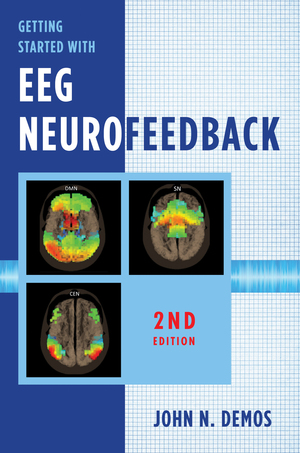
2019 · neurofeedback
The long-awaited update to Demos’s classic book for the practitioner looking to add neurofeedback.
Neurofeedback training combines the principles of complementary medicine with the power of electronics. This book provides lucid explanations of the mechanisms underlying neurofeedback as well as the research history that led to its implementation. Essential for all clinicians in this field, this book will guide clinicians through the process of diagnosis and treatment.
View on AmazonAndrew Hill, PhD
2026 · other
A neuroscience book for intelligent neurodivergent adults who think too much and want to understand why. Combines 25 years of QEEG brain mapping (25,000+ brains) with practical tools for ADHD, autism, anxiety, high sensitivity, and creative intensity.
View on AmazonAndrew Hill, PhD
2026 · other
The only mindfulness book built on 25,000 brain maps, matched to specific phenotypes, organized by a five-system regulation framework. Not one-size-fits-all. Not spiritual. Not shaming.
View on AmazonJames R Evans
· neurofeedback
View on AmazonRoland Carlstedt
2018 · brain training
Out of the broad arena of sport science and sport psychology, Roland A. Carlstedt presents a comprehensive collection on the neuroscience and associated psychophysiology that underlies and drives sport performance. Featuring sections ranging from the basics and foundations (anatomy and physiology) to the applied (assessment during competition, training, and mental training), Handbook of Sport Neuroscience and Psychophysiology is the first volume to provide students, researchers, practitioners, and coaches the latest knowledge on the brain, mind-body processes, and psychophysiological responding in the context of sport performance.
View on AmazonRobert W. Hill
2009 · neurofeedback
Neurofeedback is a scientifically proven form of brain-wave feedback that trains the child's brain to overcome slow brain-wave activity, and increase and maintain its speed permanently. Neurofeedback is quick, noninvasive, and cost effective. In fact, 80 percent of the time, neurofeedback is effective without any of the side effects associated with drugs commonly used for such childhood disorders as autism, ADHD, dyslexia, sleep disorders, and emotional problems.
Healing Young Brains examines each disorder separately and explains in lay terms:
* The manifestation of the disorder
* The diagnosis
* The rationale for treating the disorder with brain-wave training
Healing Young Brains is parents' guide to all they need to know about treating their children with neurofeedback as an alternative to drugs
View on AmazonMitzi MacBain
2015 · neurofeedback
This book is about the amazing treatment of Neurofeedback. It has the ability to gently, painlessly, and effortlessly adjust your brain to run at its optimal capacity. The most exciting treatment I have ever experienced.
View on AmazonParimal Swamy
2016 · neurofeedback
Intoduction to Neurofeedback Training.. Excellent Book for starters
View on AmazonDan R. Chartier
2023 · qEEG
Introduction to Quantitative EEG and Neurofeedback, Third Edition offers a window into brain physiology and function via computer and statistical analyses, suggesting innovative approaches to the improvement of attention, anxiety, mood and behavior. Resources for understanding what QEEG and neurofeedback are, how they are used, and to what disorders and patients they can be applied are scarce, hence this volume serves as an ideal tool for clinical researchers and practicing clinicians. Sections cover advancements (including Microcurrent Electrical Stimulation, photobiomodulation), new applications (e.g. Asperger's, music therapy, LORETA, etc.), and combinations of prior approaches.
New chapters on smart-phone technologies and mindfulness highlight their clinical relevance. Written by top scholars in the field, this book offers both the breadth needed for an introductory scholar and the depth desired by a clinical professional.
Covers neurofeedback use in depression, ADHD, addiction, pain, PTSD, and more
Discusses the use of adjunct modalities in neurotherapy
Features topics relevant to the knowledge blueprints for both the International QEEG Certification Board and International Board of Quantitative Electrophysiology
Includes new chapters on photobiomodulation, smart-phone applications and mindfulness
View on AmazonBessel Van der Kolk
2022 · other
Grâce à ce best-seller révolutionnaire du New York Times Le corps n'oublie rien, vous pouvez surmonter les difficultés liées à votre passé traumatique !
Ce livre a déjà guidé plus de 3 millions de personnes !
Sans aucun doute, nous voudrions rester toujours sereins... Mais la vie nous bouscule, nos traumatismes intérieurs se réveillent : alors, nous devenons anxieux, nous désespérons, nous souffrons.
Malheureusement, le stress ne passe pas inaperçu : il laisse son empreinte sur l'esprit, le cerveau et le corps. Voilà pourquoi il est crucial que le traitement d'un traumatisme porte sur l'ensemble de l'organisme. Heureusement, l'auteur de ce livre vous donne les clés pour réparer le corps après une épreuve stressante, lorsque la connexion esprit-corps est rompue.
Bessel Van der Kolk a écrit cet ouvrage à la fois comme un guide et comme une invitation à affronter la réalité du trauma, à explorer les meilleures façons de le traiter.
Après avoir écouté ce livre audio, vous allez apprendre :
comment le corps, le cerveau et l'esprit font face aux expériences traumatiques ;
quelles sont les techniques qui aident à gérer le syndrome post-traumatique ;
comment vous pouvez vous calmer et vivre dans le présent ;
que faire lorsque votre enfant surmonte une expérience stressante ;
quelle stratégie de guérison il faut adopter : psychothérapie ou thérapie médicale ;
ce qu'est la santé mentale selon les principaux experts médicaux.
Et beaucoup plus encore !
"Le traumatisme engendre le traumatisme ; les hommes blessés blessent d'autres hommes." - dit l'auteur. Mais l'écoute de ce livre audio peut contribuer à prévenir d'autres blessures et rendre les gens plus attentifs les uns aux autres.
Avec ce livre audio, vous pouvez explorer un large éventail de traitements des expériences extrêmes qui vous aidera à prendre en charge le processus de guérison, à acquérir un sentiment de sécurité et à trouver un moyen de sortir du marasme de la souffrance.
Alors, ne laissez pas le traumatisme ruiner votre vie ! Vous avez le droit de vivre pleinement.
Commencez à écouter ce livre audio dès maintenant !
View on AmazonMr Cyril Peuch
2023 · neurofeedback
Le neurofeedback est une technique de traitement innovante qui permet de réguler l'activité cérébrale pour améliorer la santé mentale et physique. Cette technique est de plus en plus utilisée dans le monde entier, et de nombreuses personnes ont déjà bénéficié de ses avantages.
View on AmazonPierre Bohn
2011 · neurofeedback
La méthode NeurOptimal permet d'accéder aux formidables capacités autorégulatrices de votre cerveau et donne des résultats inespérés : elle détecte le dysfonctionnement, en informe le cerveau et lui apprend à s'autoréparer. Le neurofeedback utilise un protocole unique, efficace et sans effet secondaire quel que soit votre âge ou votre problème et ne nécessite aucun diagnostic médical préalable. Ce livre, unique en langue française, s'adresse à toute personne qui souffre et espère une meilleure qualité de vie pour elle ou pour son enfant, à ceux qui sont intéressés par le développement personnel, aux sportifs et aux artistes voulant accroître leur potentiel, à toutes les personnes désirant venir en aide aux autres. Corinne Fournier, chercheur en sciences cognitives pendant vingt ans, est praticienne depuis 2005. Elle a formé plus de 150 personnes en Europe, des praticiens professionnels et des parents d'enfants handicapés. Pierre Bohn est l'ancien directeur scientifique d'une grande société aéronautique.
View on AmazonKrystle Smith
2024 · neurofeedback
Unlock the Power of LENS Neurofeedback: Transforming Mental Health, One Brain at a Time
Discover how LENS Neurofeedback is revolutionizing mental health care. Whether you're a mental health professional or someone seeking solutions for ADHD, anxiety, PTSD, brain injury, or more, this book is your guide to understanding and utilizing this cutting-edge therapy. With clear explanations, real-life case studies, and practical insights, LENS Neurofeedback Therapy and Mental Health offers hope and actionable steps for brain optimization. Written by Krystle Smith, a passionate advocate for holistic brain health, this book empowers readers to take control of their cognitive wellness and embark on a journey of healing and growth.
View on AmazonCorydon D. Hammond
2013 · neurofeedback
A comprehensive look at this revolutionary method of neurofeedback
LENS: The Low Energy Neurofeedback System examines the research, development, and clinical applications of the revolutionary LENS method of brain wave feedback. This practical book provides a foundation for clinicians to learn about this groundbreaking medical advancement, which has been used with a wide range of conditions. The book illustrates the results of the use of LENS in more than 100 cases, as well as applications with brain-based problems in animals.
LENS: The Low Energy Neurofeedback System is a comprehensive overview of the history and evolution of clinical use of this innovative approach. One of the unique features of LENS is that it can not only be used with adults and children, but it can also be used with small children and more seriously disabled individuals who lack the impulse control, attention, or stamina to concentrate for the more extended periods of time required in traditional neurofeedback. The book presents an outcome study on 100 cases where LENS was successfully applied to a wide range of clinical symptoms, as well as case studies on the use of LENS with neurodevelopmental and learning disabilities.
LENS: The Low Energy Neurofeedback System details the application of LENS in the clinical treatment of:
View on AmazonJeff Tarrant
2017 · neurofeedback
Discover how to increase the power of meditation and mindfulness in your clinical practice.
Meditation Interventions to Rewire the Brain takes a practical, individual, brain-based approach to the practice of meditation. Author Jeff Tarrant, PhD, goes beyond traditional meditation practices to include a broad collection of mind-body strategies to effectively treat ADHD, anxiety, depression and PTSD.
Over 50 worksheets, handouts, tips, scripts and exercises on:
- Matching the four styles of Neuromeditation with client needs and goals
- Yoga, meditation-in-motion and nature-based strategies
- Using therapeutic tools such as biofeedback, essential oils & virtual reality
- Everything you need to immediately begin using these methods in your practice
View on AmazonGlyn Blackett
2014 · neurofeedback
Do you ever feel like your mind is out of control, overwhelming you with racing thoughts, painful emotions, or impulses to endless activity? In Mind-Body Intelligence, coach and therapist Glyn Blackett proposes that emotional wellbeing and optimal mental performance are based on skills and abilities in regulating the physiology that underlies mental states. The author calls these mind-body skills, and they include:
* ability to access positive emotion and motivation
* ability to calm the body, and to let go of negative emotions and cravings
* clear, stable and relaxed focus, concentration and thinking.
Inside the book you'll discover:
* Underlying patterns common to self-regulation problems from stress, anxiety and low mood to brain fog and fatigue.
* The common mistake that actually amplifies the stress response.
* The science behind the mind-body connection and how it can be effectively applied with biofeedback and neurofeedback.
* Why breathing is right at the heart of self-control challenges and solutions.
* Practical models that offer a framework for understanding challenges and solutions.
* The preconditions for "flow" - states of optimal functioning and self-control.
* How attentional flexibility is key to mind-body regulation, and how it can be trained using mindfulness, an ancient form meditation practice.
* How biofeedback actually supports mindfulness in spite of apparent contradictions.
* Different forms of biofeedback and neurofeedback, and how their individual strengths combine to create an integrated programme of optimal breathing training.
“The best introduction/background to meditation/mindfulness I have ever read” - Paul Hampson, Meditator and UKCP Registered Psychotherapist.
About the Author
Glyn Blackett runs a coaching and therapy practice teaching people skills in managing emotions and cognitive functions such as attention, helping them with self-control challenges such as anxiety, panic, low mood, fatigue, cravings and stress-related health problems.
A graduate of Cambridge University in Natural Sciences, Glyn Blackett first began practising mindfulness meditation as a student, but even after several years of committed daily practice, still struggled with an unruly, distracted mind to the point that the benefits didn't seem to justify the effort. He first encountered biofeedback while searching for ways of making meditative concentration more accessible. Immediately impressed by the power and potential of biofeedback, he decided to make it the basis of a career as a therapist and coach.
The book grew out of coaching and teaching material Glyn developed as support for clients (often living far from his York office) who rented biofeedback equipment for home training. Glyn is also the developer of a multi-parameter biofeedback software product, Mind-Body Training Tools, which is designed to develop the mind-body regulation skills discussed in the book.
View on AmazonAdam Crane
2000 · neurofeedback
We all want good health, live life creatively, avoid suffering, experience deep personal relationships and live our lives fully as possible. We want time and opportunity to enjoy this marvelous earth and be valued by society. What are we willing to do (or not do) to improve the quality of our day to day lives? The Process takes on the challenges of transforming the commonplace into the extraordinary, of bringing about healthy change in as many lives as possible, of learning and practicing together the art of adventuring into the unknown, of changing periods of second hand consciousness into a fuller awareness and expression of the original life, of allowing the greatest potentials of the mind/body to unfold. The mission of The Process Project is to make the art and science of self-actualization and self-knowledge available to as many as possible. The decade of the Brain has opened onto the Century of the Mind. Your personal horizons may be infinite.
View on AmazonMohammadjavad Hoseinpourfard
2020 · neurofeedback
Biofeedback is designed for functional biofeedback procedures with biofeedback training. Biofeedback training is realized on the basis of the principle of "psycho-physiological mirror", so that the patient is literally able to see and hear, with the help of visual and audio biofeedback images, the subtle nuances of change in their condition, manifested in changes of various physiological processes.
View on AmazonValeska Kouzak
2020 · neurofeedback
Com o aumento da expectativa de vida, questões relacionadas a qualidade de vida do idoso se tornaram fundamentais para a nossa sociedade. Assim o livro traz uma proposta de treino para a melhora da capacidade de memória por meio de uma tecnologia viável, o Neurofeedback. O Neurofeedback é uma ferramenta de auto-regulação utilizada na clínica desde a década de 60 e tem ao longo dos anos desenvolvido novas plataformas de uso e equipamentos que tem ajudado indivíduos saudáveis a também usufruir dessa ferramenta. Com isso, propõe-se o treino da memória operacional em idosos sadios, para que esses também possam se beneficiar dessa técnica e com isso favorecer uma melhor manutenção de suas funções cognitivas. O livro aborda ainda de forma clara e objetiva os conceitos acerca da neuropsicologia e neurociência do envelhecimento.
View on AmazonMichael P. Cohen
2020 · neurofeedback
You really CAN change your brain without medication.
Maybe you’ve struggled for years with anxiety, depression, ADHD, migraines, PTSD, obsessive thinking, sleep issues or other unwanted conditions. You’ve tried medication, psychotherapy, breathing techniques, yoga, exercise or dietary changes—with no permanent relief.
Neurofeedback is an emerging technology that’s helped thousands of people feel better—without medication. It allows you to gently nudge your brain along through training until it learns to operate in a healthier manner.
Neurofeedback is a form of biofeedback that’s like a gym for your brain. The training improves your brain’s timing which, in turn, improves its functioning. When your brain works better, you feel better. It’s like heavy-duty weight training for the brain, even though you do it while relaxing in a chair.
Once you’ve done sufficient training, these improvements are often long-term.
Neurofeedback 101 explains how you change your brain--in clear, simple terms. It’s full of real cases of how training has helped children and adults with their symptoms. There’s a section that offers a thorough discussion of important questions and issues about neurofeedback – designed both for professionals and consumers.
Author Michael P. Cohen is Director and Chief of Neurotechnology at the Center for Brain Training in Jupiter, Florida, one of the largest neurofeedback practices in South Florida. He’s specialized in neurofeedback and helping individuals improve their brain function since 1996. He’s taught more than 2,500 health professionals how to utilize neurofeedback in a clinical practice.
If you want to explore how the brain can rewire and retrain itself, Neurofeedback 101 will give you the answers and resources you need.
Please note: This book is NOT a manual or textbook on how to conduct neurofeedback. It provides general information on what neurofeedback is, how it works, and what neurofeedback can do. Those wishing to learn how to do neurofeedback should seek out books designed for that purpose.
View on AmazonDr Meike Wiedemann
2024 · neurofeedback
Power Training for the Brain Everyone can benefit from neurofeedback, a gentle approach that stimulates the brain's capacity to develop. This effective form of therapy is used to treat a whole variety of mental health problems, such as ADHD, autism, depression, migraine, anxiety disorders and traumatic stress reactions. The procedure helps the brain to in an effortless way to regulate itself better, in many cases with life-long success. Meike Wiedemann and Kirsten Segler explain in a simple and straightforward way how neurofeedback works and how it is applied. Using a number of case histories they show the many ways in which this effective treatment method can help. They also provide some important information on good therapeutic practice and some tipps as to how to find the right therapist.
View on AmazonThomas Pecherstorfer
2009 · neurofeedback
Cognitive deficits frequently occur after stroke. Neurofeedback and biofeedback training have been shown to be a valuable treatment option in several disorders such as attention deficit hyperactivity disorder (ADHD), epilepsy or migraine. However, controlled studies demonstrating specific effects are rare, especially concerning neurological disorders. This book examines whether neurofeedback and heart rate variability (HRV) biofeedback are beneficial to people suffering from stroke with resultant memory disturbances in the rehabilitation process and whether different neurofeedback or biofeedback protocols result in specific changes of electrophysiological parameters and cognitive performance - thereby focusing on memory but also exploring attentional processes as well. Therefore two different kinds of neurofeedback training (increasing alpha power or decreasing theta power) are compared with the effects of HRV biofeedback training
View on AmazonRobert Coben
2010 · neurofeedback
The study of neurofeedback and neuromodulation offer a window into brain physiology and function, suggesting innovative approaches to the improvement of attention, anxiety, pain, mood and behavior. Resources for understanding what neurofeedback and neuromodulation are, how they are used, and to what disorders and patients they can be applied are scarce, and this volume serves as an ideal tool for clinical researchers and practicing clinicians in both neuroscience and psychology to understand techniques, analysis, and their applications to specific patient populations and disorders. The top scholars in the field have been enlisted, and contributions offer both the breadth needed for an introductory scholar and the depth desired by a clinical professional.
- Includes the practical application of techniques to use with patients
- Includes integration of neurofeedback with neuromodulation techniques
- Discusses what the technique is, for which disorders it is effective, and the evidence basis behind its use
- Written at an appropriate level for clinicians and researchers
View on AmazonWerner Van Den Bergh
2017 · qEEG
The first edition of this book was a groundbreaking, research-based clinical guide to the neurofeedback treatment of ADHD. This second edition maintains this high standard and has been extensively revised and expanded to include new research, an extensive number of new images, tables, and graphs (some in full color!), and innovative clinical concepts and issues. The author provides an expert overview of ADHD in terms of large scale brain networks and dysfunctional mechanisms of attention, vigilance, self-regulation, and executive functions. The most common forms of neurofeedback to treat ADHD are detailed, including traditional amplitude neurofeedback, LORETA neurofeedback, and slow cortical potential neurofeedback.
Neurofeedback is a psychophysiological treatment that normalizes the deviant brainwave activity. The author explains how neurofeedback for ADHD specifically strengthens "self-regulation" through improved balance within specific brain regions and networks; these gains in self-regulation abilities result in restored vigilance with enhanced metastability. In short, neurofeedback for ADHD is a non-drug treatment that fosters vigilance and self-regulation in ADHD.
Werner Van den Bergh is neurologist and psychiatrist in Leuven, Belgium where he founded "Centrum Vigilant." Dr. Van den Bergh has specialized in a clinical-behavioral-neurological approach of ADHD since 1995, and he published several books and articles on this topic, including the first edition of this book entitled, "Neurofeedback and State Regulation in ADHD: A Therapy Without Medication." He teaches QEEG for the Flemish Psychiatric Association in Belgium, and he is the co-founder of the Flemish self-support association for adults with ADHD.
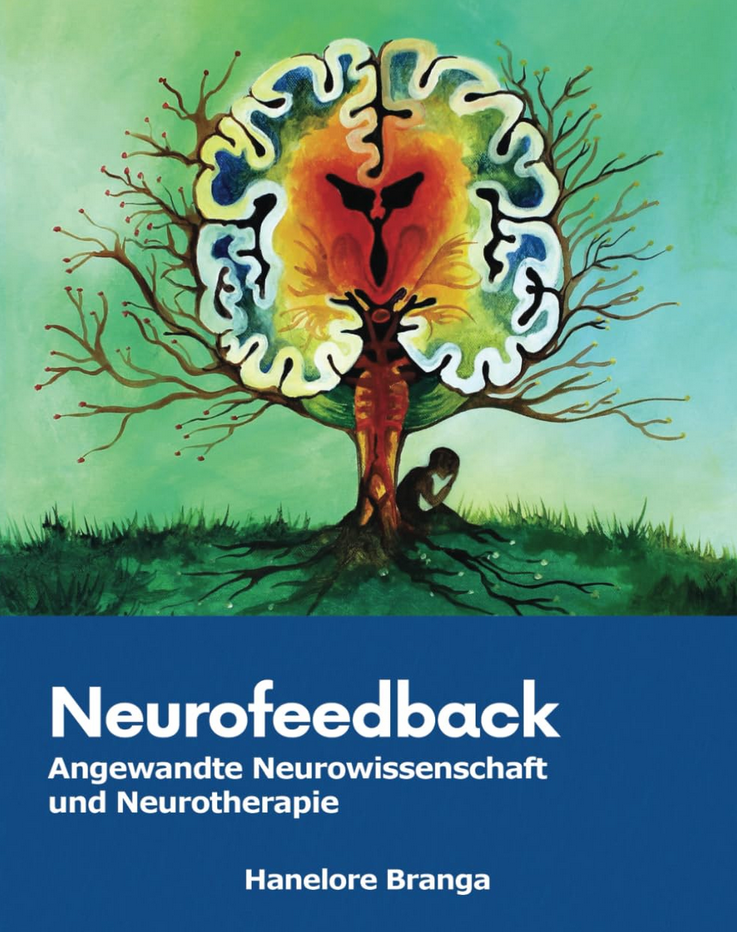
View on AmazonHanelore Branga
2024 · neurofeedback
In "Neurofeedback - Angewandte Neurowissenschaft und Neurotherapie" taucht der Leser ein in die faszinierende Welt der angewandten Neurowissenschaft und erforscht die bahnbrechenden Entwicklungen im Bereich des Neurofeedbacks. Dieses Buch, verfasst von der Psychologin, Ergotherapeutin und Neurotherapeutin Hanelore Branga, ist ein Meilenstein in der Verbindung von Wissenschaft und klinischer Praxis.
"Hany Branga zeichnet sich durch ihre unbestreitbare Brillanz und ihren systematischen Ansatz aus, der über das Konventionelle hinausgeht. Ihre Vision der Intervention manifestiert sich meisterhaft in diesem einzigartigen Werk. Mit exquisiter Sorgfalt führt uns Branga von den Grundlagen der Neuroanatomie und Neurophysiologie bis hin zur Komplexität der Bewertungen und klinischen Überlegungen, die für die Entwicklung evidenzbasierter und effizienter Interventionen wesentlich sind. Hervorzuheben ist ihre Fähigkeit, diese Konzepte mit einer klaren Ausdrucksweise und einem einfachen Sprachstil zu vermitteln, was dieses Werk zu einem Leuchtturm im Verständnis der Materie macht."
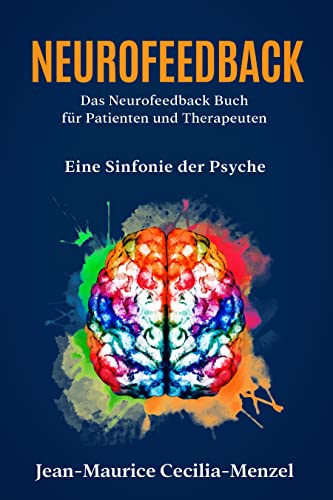
View on AmazonJean-Maurice Cecilia-Menzel
2022 · neurofeedback
Neurofeedback - Das Neurofeedback Buch für Patienten und Therapeuten
Dieses Buch ist als Orientierungshilfe und Leitfaden für Menschen gedacht, die Interesse am Neurofeedback haben, ebenso für Leidtragende und Kliniker, die diese Technik anwenden möchten. Neurofeedback ist eine ergiebige Quelle für diejenigen, die auf der Suche nach evidenten therapeutischen alternativen Ansätzen sind
Nachdem Sie sich durch alle Kapitel dieses Buches durchgearbeitet haben, werden Sie ein besseres Verständnis der elektrischen Aktivität des Gehirns erlangt haben und wie diese im Neurofeedback-Training genutzt werden kann, um die Behandlung, das Management und die Diagnose verschiedener Gesundheitszustände zu erleichtern. Die Neurofeedback-Therapie ist ein kosteneffektiver und nicht-invasiver Ansatz, der von geschulten und erfahrenen EEG-Anwendern oder -Klinikern unter Verwendung eines EEG-Systems, Elektroden, Salzen und Gelen sowie eines Verstärkers durchgeführt wird. Es gibt verschiedene Formen der Neurofeedback-Therapie und unterschiedliche Behandlungsprotokolle, die jeweils speziell auf eine bestimmte Hirnregion mit einer bestimmten Funktion zugeschnitten sind.
Neurofeedback ist eine Form des Biofeedbacks, die sich dadurch auszeichnet, dass Gehirnströme bewusst moduliert werden. Bei der Neurofeedback-Therapie wird die Hirnaktivität mittels Elektroenzephalografie (EEG) aufgezeichnet. Die Inhalte des EEG werden extrahiert und dem Anwender als Audio- oder Videofeedback (oder auch beides) zurückgemeldet. Während der Neurofeedback-Therapie sind die Anwender in der Lage, die Veränderungen und ihren Fortschritt anhand dieses Feedbacks zu beurteilen, um die Behandlung anzupassen und den Schweregrad des Trainings zu regulieren. Die Anwender können so, ihre Gehirnfunktionalität als Reaktion auf die bewerteten Veränderungen verbessern.
Was Sie in die diesem Buch lernen werden:
Was ist Neurofeedback?
Die Frequenzbänder
Arten von Neurofeedback-Training
Platzierung der EEG-Elektroden
Elemente des Neurofeedback-Trainings
Klinische Anwendungen
Aufgaben des Gehirns: kurze Einführung in die Anatomie des Gehirns
Woraus besteht das Gehirn?
Die Entdeckung des Elektroenzephalogramms
Grundlagen der Lerntheorie
Operante Konditionierung, die Lerntheorie des Neurofeedbacks
Transfer in den Alltag: Klassische Konditionierung
Können alle Gehirnstrukturen durch Neurofeedback beeinflusst werden?
Welche Krankheitsbilder können mit Neurofeedback behandelt werden?
Frequenzband-Training
Technischer Hintergrund: Neurophysiologische Grundlagen des EEG
Neurofeedback - Das Neurofeedback Buch - Eine Sinfonie der Psyche
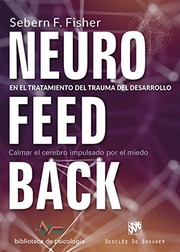
View on AmazonSebern F. Fisher
2020 · neurofeedback
Un libro realmente innovador. Fisher combina el dominio del Neurofeedback con un verdadero don para aplicar la neurociencia, para sentar las bases de un nuevo y poderoso enfoque mente-cerebro. Incluso si no practicas el Neurofeedback, no podrás evitar que el tesoro de conocimientos clínicos que este libro ofrece te cambie.Norman Doidge, autor de El cerebro se cambia a sí mismoEste libro ilustra el uso magistral del Neurofeedback en la psicoterapia para los trastornos del trauma del desarrollo. ¡Una lectura obligada para todos los profesionales clínicos involucrados en el tratamiento de los trastornos del espectro traumático!Ruth Lanius, Universidad de Western OntarioEn el siglo del cerebro, ¿qué más podemos pedir sino que alguien nos enseñe el modo de cambiar el cerebro de forma que mejore nuestra vida? Fisher hace precisamente eso en un libro verdaderamente maravilloso y revelador desde el punto de vista clínico.Marsha M. Linehan, Universidad de WashingtonEl circuito del cerebro -sus frecuencias y oscilaciones rítmicas- revela mucho sobre su función en nuestra resiliencia y estabilidad emocional. El Neurofeedback permite que los profesionales clínicos guíen a sus clientes mientras estos aprenden a transformar los patrones de las ondas cerebrales, ofreciendo una nueva ventana al tratamiento de las enfermedades mentales.En este innovador libro, la experimentada profesional clínica Sebern Fisher nos muestra con entusiasmo la profunda capacidad que tiene el Neurofeedback para ayudar a tratar uno de los problemas de salud mental más difíciles de nuestro tiempo: el abuso infantil severo, la negligencia o el abandono, también conocidos como Trauma del desarrollo.
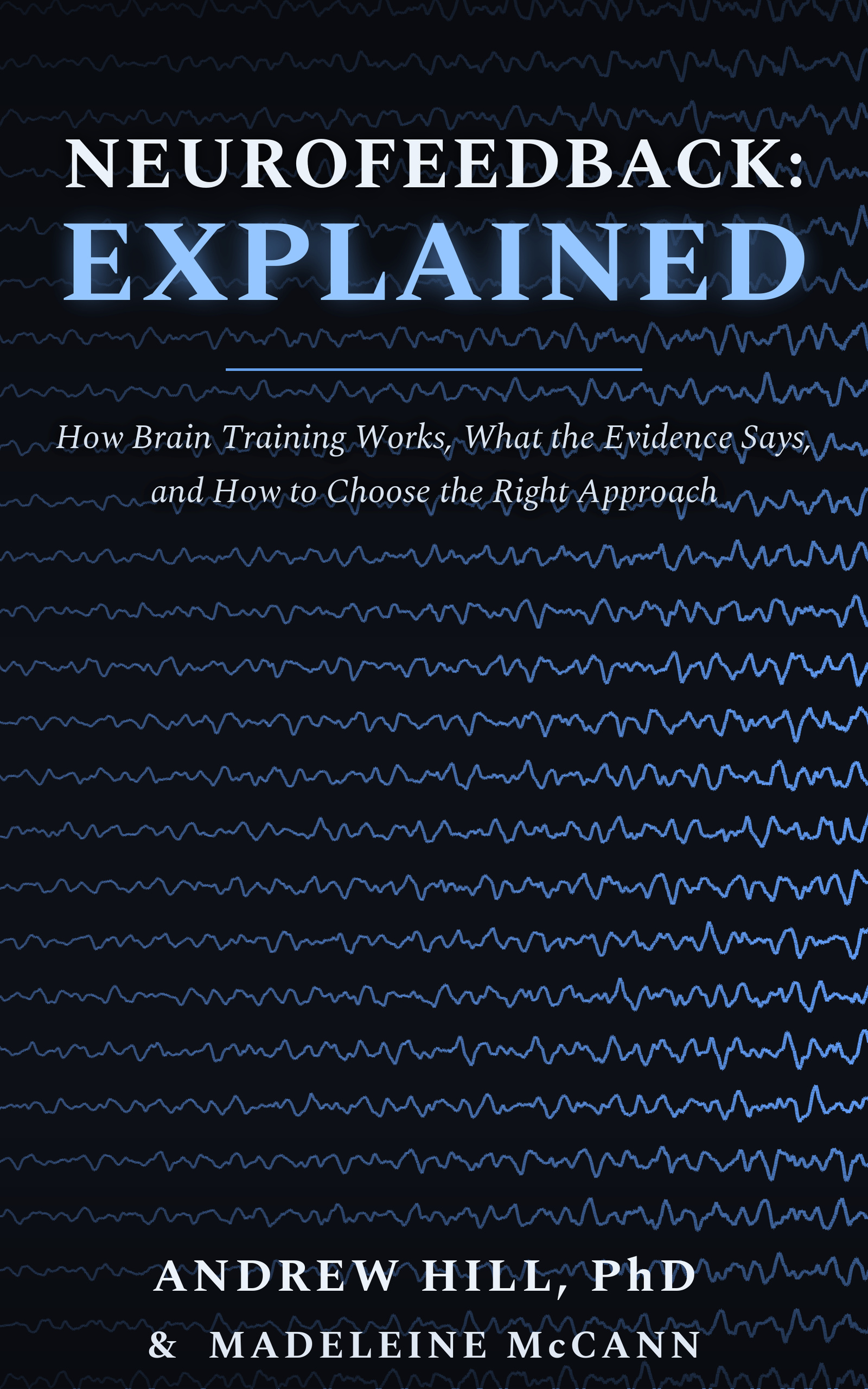
View on AmazonAndrew Hill, PhD & Madeleine McCann
2026 · neurofeedback
The only consumer-readable book that delivers clinical-grade neurofeedback and QEEG education, built on 25,000+ brain maps. Designed to make you a smarter consumer, not a more confused one.
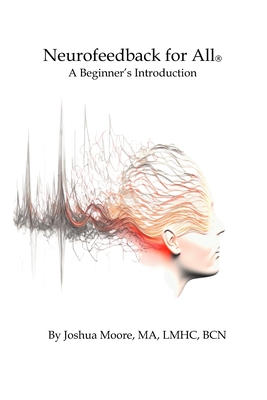
View on AmazonJoshua R Moore
2024 · neurofeedback
Neurofeedback For All serves as an accessible and engaging introduction to the world of neurofeedback, offering readers an brief overview of its history, basic theory, and applications. This beginner-friendly guide demystifies the complex concepts behind brain training, showcasing the transformative potential of neurofeedback for individuals from all walks of life. Reading this will teach you the fundamentals of brainwave regulation, and gain valuable insights into how neurofeedback can improve overall well-being and address a variety of mental health concerns.
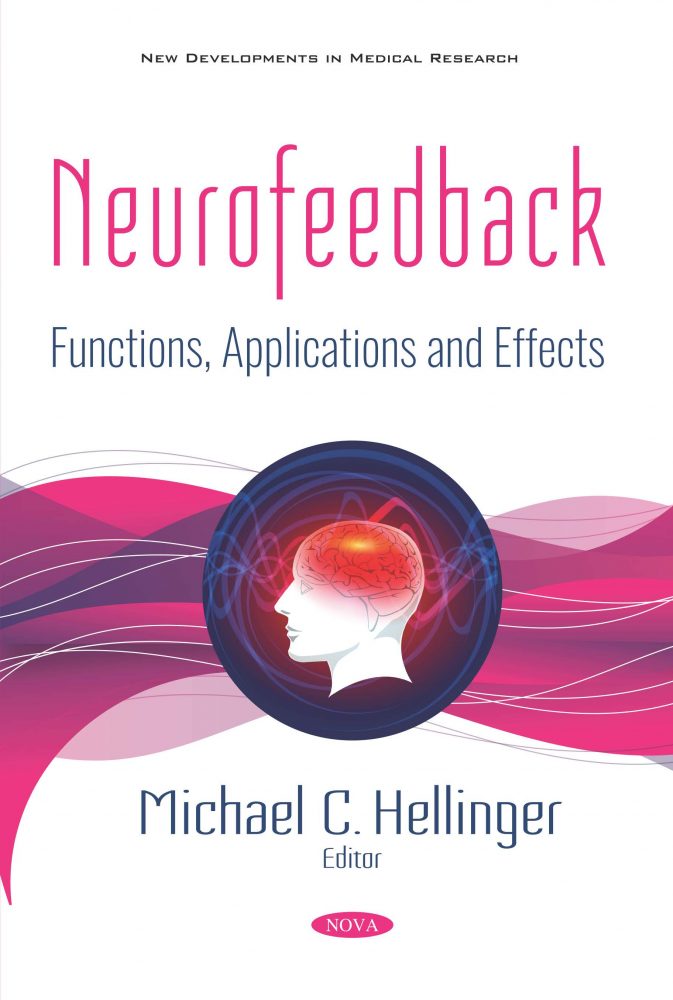
View on AmazonMichael C. Hellinger
2019 · neurofeedback
Functions, Applications and Effects presents a number of possible applications for neurofeedback in offender treatment, including perpetuators of domestic violence and various other forms of violent and anti-social behavior, certain forms of sexually abusive behavior, and criminal behavior of an obsessive–compulsive nature. A global description of this method is presented, followed by a brief overview of the empirical evidence of its efficacy in specific relevant treatment areas. To accomplish a targeted impact of neurofeedback on specific cortical functions, EEG-based local brain activity neurofeedback training was developed by Bauer et al. (2011). With this approach, an implemented algorithm automatically identifies and localizes EEG-sources in successive sLORETA solutions. Based on this information, the feedback is exclusively controlled by EEG-generating sources within a selected cortical region of training. In order to individually and precisely locate and define the region of training, the use of evoked potentials of known local origin is recommended. The authors investigate the effect of neurofeedback training on the motor performance and conscious motor processing of skilled dart players. Additionally, the authors investigate the effect of one session of neurofeedback training on the motor performance of elite and non-elite volleyball players. In the penultimate study, this collection proposes that prefrontal neurofeedback training would be accompanied by changes in the relative power of EEG bands and ratios of individual bands with increased effectiveness at higher numbers of sessions. Outcome measures included EEG and behavioral ratings by parents/caregivers.
View on AmazonMartijn Arns
2019 · neurofeedback
View on AmazonAuthor not listed
· neurofeedback
View on AmazonSebern F. Fisher
2024 · neurofeedback
Working with the circuitry of the brain to restore emotional health and well-being.
Neurofeedback, a type of brain training that allows us to see and change the patterns of our brain, has existed for over 40 years with applications as wide-ranging as the treatment of epilepsy, migraines, and chronic pain to performance enhancement in sports.
Today, leading brain researchers and clinicians, interested in what the brain can tell us about mental health and well being, are also taking notice. Indeed, the brain's circuitry — its very frequencies and rhythmic oscillations — reveals much about its role in our emotional stability and resilience. Neurofeedback allows clinicians to guide their, clients as they learn to transform brain-wave patterns, providing a new window into how we view and treat mental illness.
In this cutting-edge audiobook, experienced clinician Sebern Fisher keenly demonstrates neurofeedback’s profound ability to help treat one of the most intractable mental health concerns of our time: severe childhood abuse, neglect, or abandonment, otherwise known as developmental trauma.
When an attachment rupture occurs between a child and her or his primary caregiver, a tangle of complicated symptoms can set in: severe emotional dysregulation, chronic dissociation, self-destructive behaviors, social isolation, rage, and fear. Until now, few reliable therapies existed to combat developmental trauma. But as the author so eloquently presents in this audiobook, by focusing on a client's brain-wave patterns and training them to operate at different frequencies, the rhythms of the brain, body, and mind are normalized, attention stabilizes, fear subsides, and, with persistent, dedicated training, regulation sets in.
A mix of fundamental theory and nuts-and-bolts practice, the audiobook delivers a carefully articulated and accessible look at the mind and brain in developmental trauma, what a “trauma identity” looks like, and how neurofeedback can be used to retrain the brain, thereby fostering a healthier, more stable state of mind. Essential clinical skills are also fully covered, including how to introduce the idea of neurofeedback to clients, how to combine it with traditional psychotherapy, and how to perform assessments.
In his foreword to the audiobook, internationally recognized trauma expert Bessel van der Kolk, MD, praises Fisher as “an immensely experienced neurofeedback practitioner [and] the right person to teach us how to integrate it into clinical practice.” Filled with illuminating client stories, powerful clinical insights, and plenty of clinical how to, she accomplishes just that, offering listeners a compelling look at exactly how this innovative model can be used to engage the brain to find peace and to heal.
This audiobook was produced and published by Echo Point Books & Media, an independent bookseller in Brattleboro, Vermont.
PLEASE NOTE: When you purchase this title, the accompanying PDF will be available in your Audible Library along with the audio
View on AmazonAlina Robu
2024 · neurofeedback
You CAN treat anxiety and live a balanced, fulfilling life without becoming addicted to medication and without experiencing unpleasant side effects! Over 15,000 patients have been treated using the limitless power of the brain, with the help of NASA astronaut training technology.
264,000,000 people worldwide suffer from anxiety.
Some of them, despite having tried traditional therapeutic methods, have not managed to get rid of the unpleasant symptoms that have affected their lives, relationships, and careers.
That's why Alina Robu and Alina Diana Nemes decided to explore the field of neuroscience, offering a solution to those patients who had lost hope of living a better life.
In this book, you will discover:
1. The causes of anxiety and the 3 mechanisms that help the brain overcome it
2. Why some patients cannot treat anxiety with medication, even though they have followed all the doctors' recommendations
3. How anxiety affects patients' behavior and relationships with those around them
4. What happens in the brains of people who forget everything they have learned in stressful situations
5. Why anxious people hide behind technology, avoiding social interactions?
6. How the anxious brain responds to traumatic experiences and how to restore emotional balance
And many other valuable insights from their experience in medical offices.
You will explore the experiences of 9 patients diagnosed with anxiety, who have managed to transform their lives when they thought they had run out of healing solutions.
Whether you are struggling with anxiety and want a non-invasive therapeutic path, work in the medical and research field, or want to learn more about neuroscience and the functioning of the human brain, this book is for you.
It offers you the answers you need to understand how we can activate our inner healing power through Neurofeedback Plus brain training.
View on AmazonAlina Robu
2024 · neurofeedback
Poți trata anxietatea și să trăiești o viață echilibrată și calitativă, fără să devii dependent de medicamente și fără să treci prin efecte secundare neplăcute! Peste 15,000 de pacienți au fost tratați folosind puterea nemărginită a creierului, cu ajutorul tehnologiei adoptate și de NASA în antrenamentele astronauților.
264.000.000 de oameni la nivel global suferă de anxietate.
O parte din aceștia, deși au încercat metodele terapeutice tradiționale, nu au reușit să scape de simptomele neplăcute, care le-au afectat viața, relațiile și cariera.
De aceea, Alina Robu și Alina Diana Nemes au decis să exploreze domeniul neuroștiinței, oferind o soluție și acelor pacienți care și-au pierdut speranța că pot trăi o viață mai bună.
În această carte vei descoperi:
1. Cauzele apariției anxietății și cele 3 mecanisme care ajută creierul să o învingă
2. De ce unii pacienți nu pot trata anxietatea cu medicamente, deși au urmat toate indicațiile medicilor
3. Cum afectează anxietatea comportamentul pacienților și relațiile cu cei din jur
4. Ce se întâmplă în creierul persoanelor care uită tot ce au învățat în situații tensionante
5. De ce oamenii anxioși se ascund în spatele tehnologiei, fugind de interacțiuni sociale?
6. Ce se întâmplă în interiorul creierului anxios în urma unor experiențe traumatizante și cum putem reveni la un echilibru emoțional
Și multe alte informații valoroase din experiența lor din cabinetele medicale.
Vei explora trăirile a 9 pacienți diagnosticați cu anxietate, care au reușit să-și transforme viața când credeau că au rămas fără soluții de vindecare.
Indiferent dacă te confrunți cu anxietatea și îți dorești o cale terapeutică non-invazivă, lucrezi în domeniul medical și al cercetării, sau vrei să afli mai multe despre neuroștiință și funcționarea creierului uman, această carte este pentru tine.
Îți oferă răspunsurile de care ai nevoie pentru a înțelege cum ne putem activa puterea interioară de vindecare prin antrenamente cerebrale Neurofeedback Plus.
View on AmazonHelena Bester
2020 · neurofeedback
Helena Bester, one of Africa's few Board Certified Neurotherapists is regarded as one of the leading experts on ADHD and on neurofeedback in South Africa. She takes the reader on a journey through the origin, the development, the process, and the application of neurofeedback. The intention of the book is to bring hope to desperate and despondent people that do not experience lasting relief from debilitating emotional burdens or disorders after years of therapy because their brains are not susceptible to therapy due to dysregulation. The world of interventions is changing and neurofeedback or biofeedback is a modality of applied neuroscience that can no longer be ignored. Through neurofeedback, the regulation of the brain can improve which changes the potential outcome of any therapy drastically. This book has the further intention of enlightening all medical and other healthcare practitioners on the validity and the principles of neurofeedback. It is a condensed source of relevant information to all who wish to consider to add neurofeedback to their practice, to those practitioners who want to stay responsibly abreast of therapies in the modern arena and to all neurofeedback practitioners.
"The book is an invaluable resource for neurofeedback practitioners, whether you are new to the practice or have been, like me, practicing for decades as well as to those who are considering neurofeedback for themselves as patients, as therapists, or as researchers." - SEBERN F. FISHER, MA, BCN, trauma specialist and author of Neurofeedback in the Treatment of Developmental Trauma. Calming the Fear-driven Brain.
"In this beautifully and eloquently written book, Helena Bester explains how the practice of neurofeedback and neurotherapy presents us with the opportunity for transformation and reducing suffering through a creative process of engaging the brain. She elucidates how assessing and locating neural dysregulation facilitates opportunities for attaining greater balance through various neurotherapeutic interventions. - DANIEL SIDLER, MD (Switzerland) Professor of Applied Ethics, University of Stellenbosch MPhil, FCS (General Surgery/ Paediatric Surgery)
View on AmazonUte Strehl
2013 · neurofeedback
English summary: There is increasing demand for neurofeedback as part of treatment for disorders with known neurobiological correlates, and thus for some psychiatric and neurological clinical pictures as well (including ADHD, autism, migraine, epilepsy). This volume provides sound theoretical and technical foundations on neurofeedback and fields of application for it. It describes both the scientific evidence and practical procedures related to individual clinical pictures. This second edition has been completely revised and expanded with chapters on psychopathy and post-traumatic stress disorder. German description: Neurofeedback wird im Rahmen der Therapie von Storungen mit bekannten neurobiologischen Korrelaten und damit auch bei einigen psychiatrischen und neurologischen Krankheitsbildern (u. a. ADHS, Autismus, Migrane, Epilepsie) zunehmend nachgefragt. Das Werk bietet fundierte theoretische und technische Grundlagen zu Neurofeedback und dessen Anwendungsbereichen. Es beschreibt die wissenschaftliche Evidenz sowie das praktische Vorgehen bezogen auf einzelne Krankheitsbilder. Die 2. Auflage ist komplett uberarbeitet und um Kapitel zur Psychopathie und zur posttraumatischen Belastungsstorung erweitert.
View on AmazonPascale Vincent
2017 · neurofeedback
The artificial intelligence of robots capable of learning from their errors and modifying their behavior accordingly is modeled on the activity of neurons in the brain.Emotional stress, traffic accidents, bereavement; these are all factors that can disrupt this neural activity, sometimes to the point of generating suffering that can be difficult to relieve.
Neurofeedback, derived from neuroscience, is a computerized technique for training and re-balancing the brain's electrical activity using neuroplasticity, which allows the brain to self-correct and regain a stable equilibrium, thus promoting recovery from traumas and a return to well-being.
Neurofeedback: Tools, Methods and Applications deals with neurofeedback, explaining the functioning of the tool, its action on the equilibration of neural activity, and the differences between classical and dynamic systems. The results of the author's research and observations, the applications of these two tools, and the effects produced on the patients are explored, along with testimonies that describe and explain concepts in detail.Different neurofeedback tools are presented in this book, together with their function and explicit specificities adapted to the needs of each user. Their applications to psychological and cognitive disorders make neurofeedback an efficient and promising neurotherapy technique.
- Presents content on neurofeedback that is divided into two parts, one describing neurofeedback and the other observations
- Based on professional experiences
- Includes testimonies that support findings
View on AmazonIneke Peters
2008 · neurofeedback
View on AmazonClare Albright
2010 · neurofeedback
Dr. Clare Albright has taken what can often be a complex subject-neurofeedback- and described it in a way that not only makes it easy for anyone to understand, but shows you how you can use brain biofeedback to make ADD/ADHD a thing of the past.
View on AmazonMeike Wiedemann
2017 · neurofeedback
Jeder kann von Neurofeedback profitieren, das auf spielerische Weise dem Gehirn hilft, sich selbst besser zu regulieren. Vor allem hilft es bei der Linderung zahlreicher Erkrankungen wie Migräne, Schlaf- und Konzentrationsstörungen, ADHS, seelischen Beschwerden und Traumata. Und das, ohne dass die eigene Vergangenheit ausführlich ausgebreitet werden muss. Meike Wiedemann und Kirsten Segler erklären leicht verständlich, wie Neurofeedback funktioniert und wie es angewendet wird. Zahlreiche Fallgeschichten zeigen die vielfältigen Einsatzmöglichkeiten. Eine spannende Einführung in eine vielversprechende Therapiemethode, effektiv und ohne Nebenwirkungen.
View on AmazonLindsay M. Oberman
2018 · neurofeedback
Neurotechnology and Brain Stimulation in Pediatric Psychiatric and Neurodevelopmental Disorders provides a comprehensive overview of neurotechnological devices as potential treatments for psychiatric and neurodevelopmental disorders in children and adolescents. Many neuropsychiatric disorders are covered such as Autism Spectrum Disorder, ADHD, Depression, Tourette's Syndrome, and OCD. Different device-based treatments are discussed such as Transcranial Magnetic Stimulation, Transcranial Direct Current Stimulation, Deep Brain Stimulation, Chronotherapy, and Neurofeedback.
- Provides an overview of neuromodulatory devices as potential treatments for psychiatric and neurodevelopmental disorders in children and adolescents
- Gives evidence-based recommendations for non-drug interventions that may be effective for treatment options
- Discusses different neuromodulatory treatment options, including TMS, tDCS, DBS, chronotherapy and neurofeedback
View on AmazonTheodore J. Chapin
2014 · neurofeedback
The fields of neurobiology and neuropsychology are growing rapidly, and neuroscientists now understand that the human brain has the capability to adapt and develop new living neurons by engaging new tasks and challenges throughout our lives, essentially allowing the brain to rewire itself. In Neurotherapy and Neurofeedback, accomplished clinicians and scholars Lori Russell-Chapin and Ted Chapin illustrate the importance of these advances and introduce counselors to the growing body of research demonstrating that the brain can be taught to self-regulate and become more efficient through neurofeedback (NF), a type of biofeedback for the brain. Students and clinicians will come away from this book with a strong sense of how brain dysregulation occurs and what kinds of interventions clinicians can use when counseling and medication prove insufficient for treating behavioral and psychological symptoms.
View on AmazonRenato Flauzino
2024 · brain training
Who better understands how an ADHD brain works than someone actually diagnosed with this disorder?
The author Renato Flauzino was diagnosed with ADHD as a child and considers himself proof of how we can POSITIVELY overcome this disorder's symptoms and use it as an advantage!
Have you felt you are going around in circles trying to help your child's behavior, causing you a lot of frustration and anxiety?
By understanding the unique challenges and strengths associated with ADHD, you'll be equipped with the knowledge to provide targeted support and create an environment conducive to your child's well-being and success.
This book emphasizes the importance of personalized approaches, recognizing that every child with ADHD is different and requires an individualized parenting style.
You'll find support, understanding, and actionable advice that can make a real difference in your family's life.
Imagine a world where you have adequate tools and techniques to help your child cope with their overwhelming emotions. Picture a future where you feel confident and empowered as a parent, equipped with the knowledge to guide your child toward better emotional regulation.
Don't let frustration and exhaustion define your parenting journey. Instead, take this step towards a brighter future by embracing the wisdom and guidance shared within this book.
Together, you can make a positive difference in your child's life and your own!
PLEASE NOTE: When you purchase this title, the accompanying PDF will be available in your Audible Library along with the audio.
View on AmazonKarl-Michael Haus
2020 · neurofeedback
Ob Angststörungen, chronische Schmerzsyndrome oder Inkontinenz: Dieses Praxisbuch erläutert Ergotherapeuten, Psychotherapeuten und Physiotherapeuten die Funktionsweise und Anwendung der gängigen Biofeedback- und Neurofeedback-Verfahren. Krankheitsbilder aus Orthopädie, Neurologie und Psychiatrie können effizient behandelt und Beschwerden des Patienten nachweislich gelindert werden.
Hochdifferenzierte Messgeräte und spezielle Software helfen Ihrem Patienten dabei, körperliche Reaktionen achtsam wahrzunehmen und diese direkt zu beeinflussen. Autonome Körperfunktionen wie Blutdruck, Atmung und Herzfrequenz können so vom Patienten selbst reguliert werden und erlauben ihm einen selbstbewussten Umgang mit Stresssituationen wie Schmerzen oder Suchtdruck. Die individuelle Selbstwirksamkeit wird gestärkt und die Lebensqualität des Betroffenen nachhaltig verbessert. Unterstützen Sie Ihren Patienten dabei, aus dem Teufelskreis der Beschwerden auszubrechen!
Neu in der 3. Auflage:
Videos über die Behandlung von ausgewählten Erkrankungen und Symptomen wie Hemiplegie, Spastik, Multiple Sklerose
Bio- und Neurofeedback bei Autoimmunerkrankungen wie Multiple Sklerose und Amyotrophe Lateralsklerose
View on AmazonPaul M. Lehrer, Robert L. Woolfolk, Wesley E. Sime, David H. Barlow
2008 · neurofeedback
Structured for optimal use as a clinical reference and text, this comprehensive work reviews effective stress management techniques and their applications for treating psychological problems and enhancing physical health and performance. Leading experts present in-depth descriptions of progressive relaxation, hypnosis, biofeedback, meditation, cognitive methods, and other therapies. Tightly edited chapters examine each method’s theoretical and empirical underpinnings and provide step-by-step guidelines for assessment and implementation, illustrated with detailed case examples. The volume also explains basic mechanisms of stress and relaxation and offers research-based guidance for improving treatment outcomes.
New to This Edition:
*Incorporates significant empirical, theoretical, and clinical advances.
*Chapters on mindfulness meditation, neurofeedback, EMDR, breathing retraining, heart rate variability biofeedback, exercise therapy, Qigong, sport psychophysiology, and basic mechanisms of stress and relaxation.
View on AmazonSusan F. Othmer
2008 · neurofeedback
With the majority of the Neurofeedback field using Susan Othmer's symptom based -- client centered approach to neurofeedback, or other variations on the symptom based approach, there has been great demand for a book explaining her work. This new expanded edition of the Protocol Guide for Neurofeedback Clinicians presents Susan Othmer's latest thinking in a straight forward and easy to reference guide.
Over the last 20 years Susan Othmer has worked personally with thousands of clients at the EEG Institute in Woodland Hills CA. She has supervised hundreds of clinicians, psychologists and Medical Doctors and trained close to five thousand professionals in her method. From this experience she has developed not only a tremendous instinct for working with clients but also a model that allows clinicians to understand and follow this same set of guidelines in their own work.
The basis of Susan Othmer's work is that neurofeedback protocols can be carefully adjusted for each client to get maximal effectiveness. For any neurofeedback clinician who has seen a client fall out of the program due to lack of success, or negative results, it is clear that there is always more that we can do. There are always those clients who remain extremely hard to reach. But after 20 years of this work Sue has shown how to adjust the training to accommodate negative reactions, and non-reactions with much greater effectiveness.
For more on Susan Othmer and her ongoing neurofeedback work, check out A Symphony in the Brain by Jim Robbins.
View on AmazonHanno W. Kirk
2020 · neurofeedback
This thoroughly updated second edition of Restoring the Brain is the definitive book on the theory and the practice of Infra-Low Frequency brain training. It provides a comprehensive look at the process of neurofeedback within the emerging field of neuromodulation and essential knowledge of functional neuroanatomy and neural dynamics to successfully restore brain function.
Integrating the latest research, this thoroughly revised edition focuses on current innovations in mechanisms-based training that are scalable and can be deployed at any stage of human development. Included in this edition are new chapters on clinical data and case studies for new applications; using neurofeedback for early childhood developmental disorders; integrating neurofeedback with psychotherapy; the impact of low-frequency neurofeedback on depression; the issue of trauma from war or abuse; and physical damage to the brain.
Practitioners and researchers in psychiatry, medicine, and behavioral health will gain a wealth of knowledge and tools for effectively using neurofeedback to recover and enhance the functional competence of the brain.
View on AmazonGracelyn Guyol
2018 · neurofeedback
In 2002 Gracelyn Guyol's bipolar II mood swings were halted by doctors trained to treat all mental illnesses without drugs. To help consumers become aware of these options, she has authored three books: Healing Depression & Bipolar Disorder Without Drugs (2006); Who's Crazy Here? Steps to Recovery Without Drugs for nine mental diagnoses (2010); and her 2018 release, Restoring Your Child's Mental Health, 10 Innovative, Drug-free Treatments. Each explains how all-natural, holistic protocols offer genuine healing, in lieu of taking pharmaceutical drugs that mask one’s symptoms and cause serious side effects. Chapters in the new book describe 10 holistic treatments that fall into four categories: Quantum Healing. Homeopathy, BioEnergetic Assessment, and Homotoxicology, were developed over the past 200 years. The most widely used alternative medical treatments in the world, due to their effectiveness and low cost, they stimulate the body’s own healing systems. Modern Bioresonance devices aid health by eliminating parasites and promoting detoxification. Rebalancing the Brain. The Fisher Wallace Cerebral Stimulator, a cranial electrotherapy device, treats depression, anxiety, insomnia, and pain. Brain Balance Achievement Centers use physical exercises, cognitive stimulation, and nutrition to correct imbalances in brain development in children, treating ADHD, Autism, Dyslexia, and Tourette’s syndrome. NuCalm’s cranial electrotherapy stimulation is designed to lower stress levels and improve sleep quality. Neurofeedback trains patients to consciously improved brain wave balance using games, thus ending or lowering the symptoms of many mental disorders. Tapping for Relief. Emotional Freedom Technique is a mind-body therapy that rapidly releases emotional trauma, such as PTSD. By teaching patients how and where to tap on their body, they can permanently release anxiety, rage, or other emotional trauma, usually in 3-5 sessions. Natural Nutrient Repairs. Addiction cravings of all types, from opioids to internet use, are caused by low levels of the neurotransmitter dopamine. Recently, an all-natural, proprietary liquid amino acid and herbal blend was introduced by Kenneth Blum, PhD, a leading addiction researcher for 50 years. Two half-ounce doses, one in the morning and one in the evening, maintains dopamine levels and ends addictive cravings - and costs only $42.99 for a month’s supply. Nutrient Power, the final chapter in this book, outlines how specific natural supplements can correct nutritional deficits or excesses (inherited or acquired), halting or reducing the symptoms of schizophrenia and other major mental disorders. According to the World Health Organization, one out of four people in the world will experience a mental illness in their lifetime. The National Institute of Health reports 80-117 million US residents have mental illnesses, yet only 15.7 million receive treatment annually. The problem is this country has only 156,300 mental health practitioners and the numbers are declining. Eighty-nine million mental patients live in professional shortage areas. Forty percent cannot afford any treatment. To improve their ability to find treatment, Gracelyn founded Mind Energy Innovations, Inc., a 501(C)(3) non-profit, in 2017. Its mission is to 1) raise consumer awareness of effective, drug-free, mental health treatments, and 2) sponsor accredited medical seminars for practitioners on holistic therapies, with a goal of increasing patients’ access to treatment.
View on AmazonJames R. Evans
2017 · other
Rhythmic Stimulation Procedures in Neuromodulation offers a unique approach to rhythm-related stimulation as it pertains to modulating neural functioning, with the goal of alleviating symptoms of mental disorder. Rhythm and related concepts (frequency, resonance, entrainment) are thought by many to be closely linked to human health and disease. Neurologists and clinical psychologists facilitate neuroplasticity by using pulsed (rhythmic) sensory or electromagnetic stimulation―a group of techniques broadly referred to as neuromodulation. This edited volume describes details of rhythm-related neuromodulation techniques, and experts in the field have detailed the pros and cons of each approach, citing both clinical and scientific support.
Each technique chapter provides a detailed description of the procedure, a rationale for application with specific populations, discussion of similarities/differences relative to other approaches, and support for efficacy. This volume offers readers a historical overview of the roles of rhythm and dysrhythmia in health and disease, including examples of past and present therapeutic uses of rhythmic stimulation, entrainment, and/or modification. It also facilitates speculation about potential developments in rhythm-related methods for the future of mental health. Few books published in the general area of rhythm have focused on the scientific study of the significance of biological rhythms.
Discusses features of the generally unknown early history of using rhythmic stimulation procedures in treating various disorders
Provides an overview of the extent to which rhythmic stimulation of various types are basic to the majority of alternative and complementary medicine fields
Provides details of several of today’s more commonly used stimulation techniques for neuromodulation, discussing the theoretical foundations and limitations of each, and providing clinical and scientific research evidence for their treatment efficacy in specific applications
Discusses current directions in which stimulation techniques are moving and speculates on the promise they hold for major changes in mental health care
View on AmazonConnie McReynolds
2023 · neurofeedback
A Revolutionary Approach to ADHD
This breakthrough book helps parents and teachers understand that the real cause of ADHD is rooted in auditory and visual processing problems that affect a child’s ability to concentrate, focus, remember, be organized, and follow through. Parents are often relieved when they learn they don’t have a willfully misbehaving child and that medications are not the only treatment. This book shows you:
How the brain learns
The significance of auditory and visual processing problems
How these processing problems impact school and behavioral interventions
Practical tips for parents and teachers to support learning
Why punishment doesn’t work for children with attention problems
Dr. McReynolds introduces neurofeedback—a process of retraining the brain to improve its functioning—to help resolve the attention, concentration, and memory problems they have been experiencing, sometimes for years. This is where hope enters the room and success is created.
View on AmazonThomas F. Collura
2017 · neurofeedback
Technical Foundations of Neurofeedback provides, for the first time, an authoritative and complete account of the scientific and technical basis of EEG biofeedback. Beginning with the physiological origins of EEG rhythms, Collura describes the basis of measuring brain activity from the scalp and how brain rhythms reflect key brain regulatory processes. He then develops the theory as well as the practice of measuring, processing, and feeding back brain activity information for biofeedback training. Combining both a "top down" and a "bottom up" approach, Collura describes the core scientific principles, as well as current clinical experience and practical aspects of neurofeedback assessment and treatment therapy. Whether the reader has a technical need to understand neurofeedback, is a current or future neurofeedback practitioner, or only wants to understand the scientific basis of this important new field, this concise and authoritative book will be a key source of information.
View on AmazonJames Hardt
2007 · brain training
Dr. Hardt's Alpha Training has given me more awareness and ability to increase these benefits for my clients and in my own life as well ...
-James Arthur Ray, Speaker, Author, Harmonic Wealth
If you're at all serious about your emotional and spiritual growth, this is going to absolutely blow your mind.
-Bill Harris, Founder, Centerpointe & Holosynch(tm) technology There's a leap in me
And I must let go
To fall freely into the hands
Of life - To touch the core
Of my being- to be in the flow...
-Excerpt from poem written by Rev. Dr. Michael Beckwith Inspired by Alpha Training at Biocybernaut Institute Reprinted with permission. From the Introduction:
How would you like to access all of your brain s innate capacity to learn, invent, create and solve problems? Would it improve your life if you could think more clearly, access your intuition, reduce stress and anxiety, and prevent your brain from aging? We ve all heard that we use only a tiny percentage of our brain s natural capacity. If you've ever wondered why, The Art of Smart Thinking will provide some answers and solutions.
Every experience you have is the result of certain brain waves. Unfortunately, most of us are only accessing two of our four brain waves, and the two left out, Alpha and Theta, are actually the most important for exceptional creativity and intelligence! .
You can learn to produce these two types of brain waves on command, which will allow you to:
Restore your youthful brain wave patterns
Enhance your creativity, empathy and problem-solving ability
Improve your personal relationships
Reduce your feelings of stress, anxiety, anger and depression
Enhance your special skills and abilities
Achieve physical and mental peak performance states The Zone
Improve your mental clarity and memory
View on AmazonRichard G. Soutar Ph.D.
2015 · brain training
Neuropsychology offers us new possibilities of exploring the nature of the self, the mind, and the meaning of reality. In conjunction with sociology and psychology, it gives us a basis for directing human behavior toward the greater good.
Richard Soutar, Ph.D., BCN, has employed the fields findings with extraordinary results, witnessing outcomes that border on the miraculous. Hes helped people who have been given up for lost by other specialists to overcome mental illness and everyday struggles.
If youre seeking to strike out on your own to see what you can do for yourself, looking for profound experiences that hold deeper meaning, experience something more satisfyingperhaps eternalthen youll be delighted with the insights in this book. Get answers to questions such as:
Why do people behave as they do on a daily basis?
How can we overcome the automatic mechanisms of the brain?
What latest neurotechnologies can help us transform ourselves?
Many try to achieve self-transcendence by embracing their life as it is or turning their back on the world, but theres a better option: seeking a middle way. Find the means to change your suffering into a daily experience of profound insights with The Automatic Self.
View on AmazonInna Z. Khazan
2013 · neurofeedback
A practical guide to the clinical use of biofeedback, integrating powerful mindfulness techniques.
A definitive desk reference for the use of peripheral biofeedback techniques in psychotherapeutic settings, backed by a wealth of clinical research
Introduces mindfulness and acceptance techniques and shows how these methods can be incorporated into biofeedback practice
Step-by-step instructions provide everything a clinician needs to integrate biofeedback and mindfulness including protocols, exemplar logs for tracking symptoms, and sample scripts for mindfulness exercises
Includes scientifically robust treatment protocols for a range of common problems including headaches, hypertension and chronic pain
View on AmazonPaul Henry Wand
2019 · neurofeedback
Concussions are a world-wide epidemic — 43 million cases are diagnosed each yearThe good news is that there are effective treatments available today which reverse the symptoms of a concussion by correcting the underlying mechanisms of injury to the brain. The Concussion Cure is the first book which describes in detail how a concussion should be diagnosed and then treated. Both the diagnosis and treatments are based upon the findings of two diagnostic tests which show functional abnormalities. In this comprehensive guide, Paul Henry Wand, MD explains how to treat recent concussions as well as those from years ago, and covers undiagnosed and untreated conditions which are often overlooked.The Concussion Cure offers hope to patients with traumatic brain injuries and their families by sharing detailed information on three different treatment modalities which are proven to reverse the systems of a concussion. These treatments include specific medication to increase the blood flow in the brain, neurofeedback and hyperbaric oxygen.
View on AmazonFranziska Eller
2014 · qEEG
Franziska Eller investigated the effectiveness of individualized Neurofeedback training in addition to a comprehensive basic neurodevelopmental therapy for children with Autism Spectrum Disorders (ASD). The results clearly speak for the benefits of a supplemental Neurofeedback training, since QEEG recordings revealed positive changes in the children’s brain wave activity after only a few weeks of training. Furthermore behavioral aspects and imitation abilities were assessed using two autism questionnaires and an imitation test. Results showed that all children improved in several domains, with the treatment group partly achieving greater changes than the control group. Unlike the most prevalent therapy methods that are mainly behavior-based, Neurofeedback training aims at improving abnormal brain wave activity and thereby establishes an alternative, promising approach to treat Autism Spectrum Disorders.
View on AmazonAmir Ramezani
2011 · qEEG
View on AmazonStephen Larsen
2006 · neurofeedback
An introduction to the innovative therapy that restores optimal functioning of the brain after physical or emotional trauma
• Provides an alternative to the more invasive therapies of electroshock and drugs
• Shows how this therapy helps ameliorate anxiety and depression as well as childhood developmental disorders
• Includes extraordinary case histories that reveal the powerful results achieved
According to the Centers for Disease Control, each year 260,000 people are hospitalized with traumatic brain injuries. The Brain Injury Association reports 1.5 million injuries, many of which go undiagnosed but which lead to all kinds of cognitive and emotional impairments. While neuroscience has learned an enormous amount about the connection between brain trauma and personality changes, the methods proposed for resolving these alterations are generally limited to drug therapy or surgeries.
This book explores a much less invasive but highly effective technique of restoring brain function: the Low Energy Neurofeedback System (LENS). Developed by Dr. Len Ochs in 1992, it has had extraordinary results using weak electromagnetic fields to stimulate brain-wave activity and restore brain flexibility and function. The treatment works across a broad spectrum of human activity, increasing the brain’s abilities to adapt to the imbalances caused by physical trauma or emotional disorders--both on the basic level and in the more subtle areas of cognitive, affective, and spiritual processes that make us truly human. While the treatment has had remarkable results with individuals who have experienced severe physical trauma to the head and brain, Stephen Larsen sees it also as an important alternative to chemical approaches for such chronic behavioral disorders as ADHD and monopolar and bipolar depression.
View on AmazonMichael Thompson MD
2015 · neurofeedback
There have been impressive advancements in the area of applied neuroscience and brain computer interface training since The Neurofeedback Book was published, by AAPB, over a decade ago. Though a number of excellent books have been published in the interim - most of them edited texts with different contributors sharing their expertise in the field - there is still no other text that brings together in one book an overview of all information relevant to the effective practice of neurofeedback.
The long-awaited, 800-page text contains all relevant information from the first edition and includes all content in the separately sold, Functional Neuroanatomy (organized with reference to networks, lobes of the brain, 10-20 sites and Brodmann areas) - featuring over 100 plates/illustrations.
Praise for The Neurofeedback Book, 2nd edition:
This new edition of The Neurofeedback Book provides a broad and updated overview of the field of neurofeedback. It includes, for perhaps the first time in this field, comprehensive sections on relevant neuroanatomy, as well as theoretical functional physiology. This is a must-read tome for anyone interested in neurofeedback, and one that objectively and comprehensively addresses some of the inaccurate criticisms of this field.
- M. Barry Sterman, PhD, Professor Emeritus, UCLA
For beginners, this book has all you need for getting started using evidence based approaches grounded in years of clinical experience. For non-beginners, you will be surprised by how your clinical performance will improve if you utilize the tips and techniques in this book.
- Vietta Wilson, PhD, Senior Scholar, York University
View on AmazonDr. John S. Weber
2022 · neurofeedback
It can take a long time and be hard to get better. If you persevere, you'll be rewarded in the long run. In the end, the pain is worth it. Assistance is Required for Healing.
View on AmazonStephen Larsen
2012 · neurofeedback
A guide to neurofeedback for better physical and mental health as well as greater emotional balance, cognitive agility, and creativity
• Provides easy-to-understand explanations of different neurofeedback methods--from the LENS technique to Z-score training
• Explains the benefits of this therapy for anxiety, depression, autism, ADHD, post-traumatic stress disorder, obsessive-compulsive disorder, brain injuries, stroke, Alzheimer’s, and many other ailments
• Explores how to combine neurofeedback with breathwork, mindfulness, meditation, and attention-control exercises such as Open Focus
What is neurofeedback? How does it work? And how can it help me or my family?
In this guide to neurofeedback, psychologist and neurofeedback clinician Stephen Larsen examines the countless benefits of neurofeedback for diagnosing and treating many of the most debilitating and now pervasive psychological and neurological ailments, including autism, ADHD, anxiety, depression, stroke, brain injury, obsessive-compulsive disorder, and post-traumatic stress disorder.
Surveying the work of neurofeedback pioneers, Larsen explains the techniques and advantages of different neurofeedback methods--from the LENS technique and HEG to Z-score training and Slow Cortical Potentials. He reveals evidence of neuroplasticity--the brain’s ability to grow new neurons—and shows how neurofeedback can nourish the aging brain and help treat degenerative conditions such as Alzheimer’s and strokes. Examining the different types of brain waves, he shows how to recognize our own dominant brainwave range and thus learn to exercise control over our mental states. He explains how to combine neurofeedback with breathwork, mindfulness, meditation, and attention-control exercises such as Open Focus. Sharing successful and almost miraculous case studies of neurofeedback patients from a broad range of backgrounds, including veterans and neglected children, this book shows how we can nurture our intimate relationship with the brain, improving emotional, cognitive, and creative flexibility as well as mental health.
View on AmazonRichard A Bermudes MD
2024 · brain training
Transcranial magnetic stimulation (TMS) is a noninvasive method to stimulate the human brain, modulating brain activity without surgery or anesthesia. TMS uses a brief, high-intensity, pulsed magnetic field, which induces an electrical field capable of depolarizing a localized brain area. In October 2008, the first TMS system was cleared by the FDA to treat adult patients with major depressive disorder (MDD) who have not responded to one antidepressant medication. Transcranial Magnetic Stimulation: Clinical Applications for Psychiatric Practice, 2nd Edition, is a practical reference for managing patients who are candidates for TMS. Since publication of the first edition, devices have received FDA clearance for obsessive-compulsive disorder, anxiety comorbid with MDD, and smoking cessation, and insurance coverage for TMS has expanded. The book discusses the integration of TMS with psychotherapy, pharmacotherapy, and other forms of neuromodulation; the identification of appropriate patients for referral to a TMS clinician; coordination of care to ensure the best outcomes during the acute, continuation, and maintenance treatment phases of depression; and the evolving nature of TMS research. The volume appendix lists various options for advanced TMS training--
View on AmazonAlexander Rotenberg
2014 · other
Transcranial Magnetic Stimulation seeks to enable new and existing practitioners to learn and follow established TMS protocols. The individual chapters in this detailed volume describe methods for single and multiple pulse TMS as well as methods for TMS coupled with associated techniques, from electromyography to neuroimaging. The collection promises to facilitate growth and exploration of clinical and experimental TMS. As a volume in the popular Neuromethods series, chapters include the kind of expert implementation advice that encourages successful and reproducible results.
Authoritative and practical, Transcranial Magnetic Stimulation will serve not only as a good methodological introduction for those new to this growing field, but also as a source of continual reference for experienced practitioners when re-visiting older, exploring novel, or developing new concepts.
View on AmazonCandace Holmes D.C.
2024 · neurofeedback
Concerned about the potential side effects overshadowing the benefits of prescribed drugs?
If so, you're not alone – I've been there, too.
Discover firsthand the transformative power of neurofeedback therapy as I share my personal journey witnessing its profound impact on my daughter's life—a story that will inspire and resonate with readers seeking natural solutions for mental health challenges.
With a wealth of practical experience as both a seasoned Neurofeedback Therapy Practitioner and chiropractor, coupled with a deeply personal journey witnessing the profound positive impact of neurofeedback on my daughter's life, I offer readers a compelling and authoritative perspective on the power of this natural approach.
In this book, you will learn:
Enhanced understanding of neurofeedback to inform your mental health journey
Empowerment to take proactive steps toward mental wellness
Integration of practical strategies for better mental health outcomes
Inspiration from real-life patient success stories of my neurofeedback therapy programs
Strengthened relationships with loved ones facing mental wellness challenges
Increased awareness of neurofeedback's effectiveness
Development of empathy towards those with mental health challenges and differences
Embrace a brighter future filled with hope and possibility, as my book on neurofeedback therapy enhances your understanding of mental health challenges, offering both hope and inspiration, while equipping you with practical strategies to navigate life's obstacles with newfound vigor and resilience. Grab your copy today!
View on AmazonMOISES AGUILAR DOMINGO
2020 · qEEG
Un nuevo abordaje en el diagnóstico y tratamiento del Trastorno por Déficit de Atención: Neurometría y
Neuromodulación. Como se definen neuromarcadores en personas con trastornos del neurodesarrollo para confeccionar un buen protocolo de tDCS y/o neurofeedback.
View on AmazonPaul G. Swingle
2015 · brain training
A game-changing resource for parents caught in the labyrinth of the promoted treatments heralding help for troubled children and their families, this book provides readers invaluable guidance in seeking accurate diagnosis and scientifically verified treatment options.
Attention Deficit Hyperactivity Disorder (ADHD) in children is real and can be severely disabling. However, most causes of children's attention problems are unrelated to ADHD and are not resolvable by drugging the child. Treating symptoms is simply not adequate; a completely different approach to the diagnoses and treatment of attention problems in children is necessary. This book identifies the many neurological patterns associated with children's attention challenges, explains the many psychological and physical factors that can affect attention, and describes how to determine if your child needs not medication but other approaches—such as psychological guidance, diet changes, or simply time to develop past childhood—to solve the problem.
Paul G. Swingle, PhD, RPsych, provides millions of parents who are desperate for scientifically sound information about how to help their children with conditions that are negatively impacting their learning, development, and happiness with a resource that is precise, definitive, and easy to read. Illustrated with examples from across his 30 years of practice, Swingle's book informs readers about the many factors that can affect children's attention and can often be treated with drugless approaches and therapy for success. Parents will understand how intolerance of what constitutes normal children's behavior and the failure to recognize the emotional challenges that many children have in our culture today constitute causative factors in the misdiagnosis of attention deficit disorders.
View on AmazonAndrew Hill, PhD
2026 · brain training
A Neuroscience in Practice guide to how medications, substances, and lifestyle factors change the EEG from baseline, and how clinicians can interpret those changes without mistaking a confound for a trait.
View on AmazonAndrew Hill, PhD
2026 · brain training
A consumer-readable, clinician-respectable trauma book integrating trauma neuroscience, QEEG/neurofeedback, phenotype-based brain-pattern literacy, the alpha-theta clinical lineage, and parts-work language.
View on AmazonNina Farley-Bates
2019 · brain training
Your Teen’s Miraculous Brain provides advice for parents to help their teen succeed when nothing else is working.
Traditional psychiatry, psychotherapy, and pastoral counseling … many Christian parents have tried these methods to help their troubled tweens, teens, and young adults, but have found that nothing works. These parents are frustrated, feel criticized by their church community, and no one seems to understand their teen with caregivers providing outdated advice. In Your Teen’s Miraculous Brain, Dr. Nina Farley-Bates combines Christian principles and scientific methodology to bring relief to struggling families, gleaning from her twenty years of experience to help teens thrive. She walks parents through how to make eight essential changes, sharing valuable information to improve teens’ brains, including what parents need to know to launch their teen into a better adulthood, how teens can get more restful sleep, and more. With Dr. Farley-Bates’s help, parents watch their teens take quantum leaps into a more successful future, make lasting positive changes in their life, and become the hands that productively rock their world.
View on AmazonRobert W. Thatcher
2014 · neurofeedback
Neurofeedback is utilized by over 10,000 clinicians worldwide with new techniques and uses being found regularly. Z Score Neurofeedback is a new technique using a normative database to identify and target a specific individual's area of dysregulation allowing for faster and more effective treatment. The book describes how to perform z Score Neurofeedback, as well as research indicating its effectiveness for a variety of disorders including pain, depression, anxiety, substance abuse, PTSD, ADHD, TBI, headache, frontal lobe disorders, or for cognitive enhancement. Suitable for clinicians as well as researchers this book is a one stop shop for those looking to understand and use this new technique.
- Contains protocols to implement Z score neurofeedback
- Reviews research on disorders for which this is effective treatment
- Describes advanced techniques and applications
View on Amazon